




Blake Stitched: The Art and Craft of Hand-Stitched Leather Goods
Introduction to Blake Stitched
Blake stitched refers to a traditional shoemaking technique where the upper, insole, and outsole are sewn together with a single thread, passing through a channel in the outsole. Unlike Goodyear welt, Blake stitching creates a slim profile and exceptional flexibility, making it a favorite for dress shoes and loafers. Originating in the 19th century, this method was patented by Lyman R. Blake in 1858 and later refined by Charles Goodyear, blending hand craftsmanship with mechanical precision. Today, Blake stitched shoes are prized for their elegant aesthetics and comfort, often seen in high-end Italian footwear.
Key Differences: Blake vs. Goodyear Welt
Understanding the distinction between Blake stitching and Goodyear welt is crucial for buyers. In Goodyear welt, a strip of leather (the welt) connects the upper to the outsole, allowing for easier resoling. In contrast, Blake stitching sews directly through all layers, resulting in a lighter, more flexible shoe. The absence of a welt reduces bulk, making Blake shoes more streamlined. However, this also means that resoling requires specialized machinery and is less straightforward than Goodyear. For those prioritizing elegance and foot feel, Blake stitching offers superior sensory experience, while Goodyear excels in ruggedness and repairability.
Advantages of Blake Stitching for Shoe Enthusiasts
One of the primary benefits of Blake stitched footwear is its flexibility. The lack of a welt allows the shoe to bend naturally with the foot, reducing break-in time significantly. Additionally, Blake shoes are often lighter, making them ideal for travel and extended wear. The sleek construction also permits a closer fit to the foot, enhancing comfort for those with narrower heels or high arches. Furthermore, the stitching produces a clean, minimal sole edge, which appeals to those who appreciate refined style. For many, the combination of comfort and aesthetics makes Blake stitching the top choice.
How Blake Stitching is Done: A Step-by-Step Look
Creating a Blake stitched shoe requires precision and skill. First, the leather upper is shaped over a last and attached to a thin leather insole. The outsole is then positioned, and a special sewing machine with an angled needle pierces through the insole and outsole simultaneously. The thread is pulled tight, creating a durable lockstitch. After stitching, the sole is trimmed, edged, and polished. This process demands exact alignment to ensure even stitching and structural integrity. While machines speed up production, true artisans still hand-finish edges to achieve flawless results.
Blake Stitched vs. Cemented: Quality and Longevity
Compared to cemented shoes, where soles are glued on, Blake stitched footwear offers superior durability and repairability. Cemented shoes often fail after moderate wear, but Blake stitched shoes can be resoled multiple times with proper care. The stitching also allows for easier replacement of worn soles, preserving the upper. In terms of water resistance, Blake stitched shoes may be less sealed, but they can be treated with waterproofing products. For those investing in quality footwear, Blake stitching provides a balance of elegance and longevity that outweighs the lower cost of cemented alternatives.
Why Choose Blake Stitched for Formal Occasions?
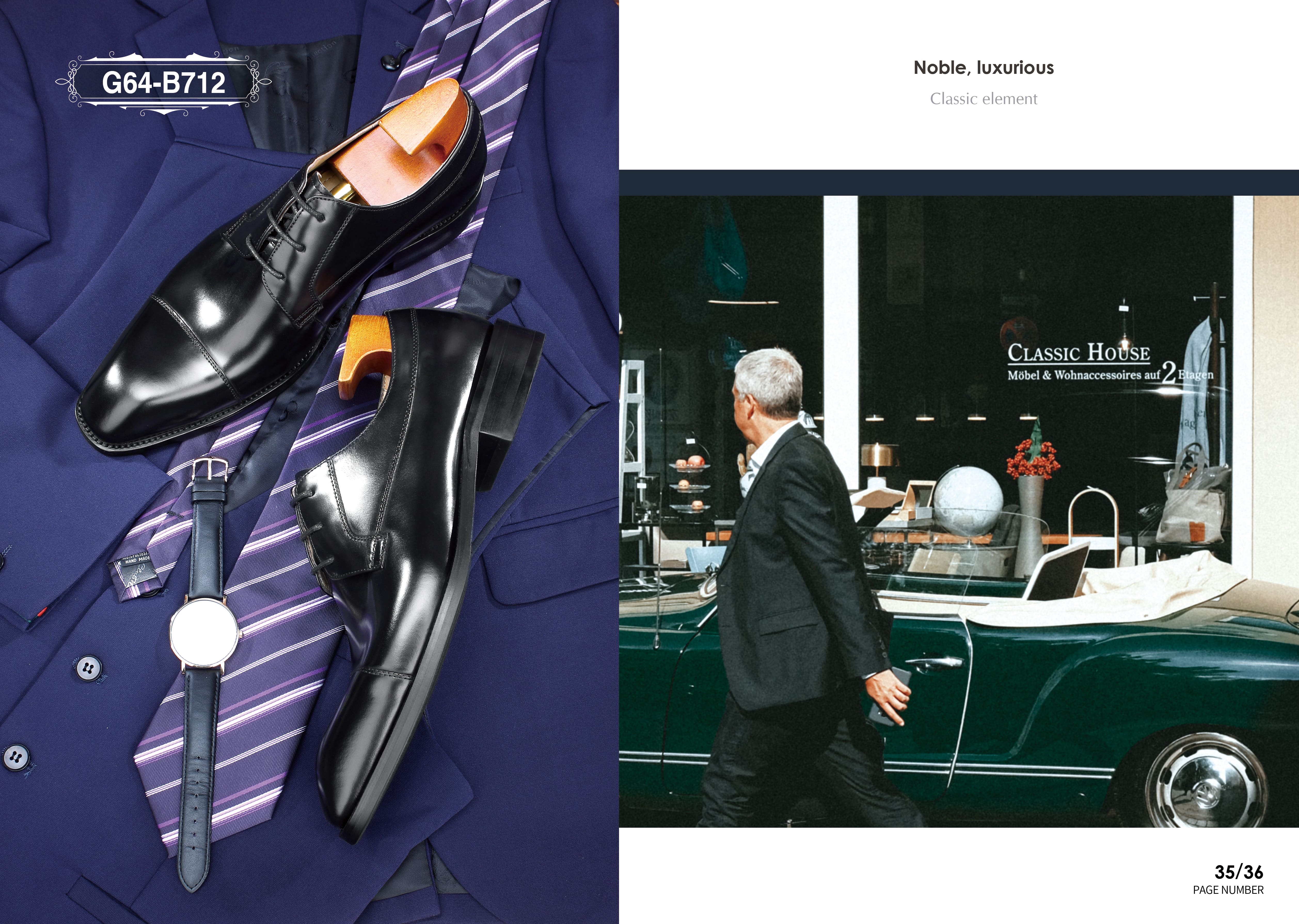
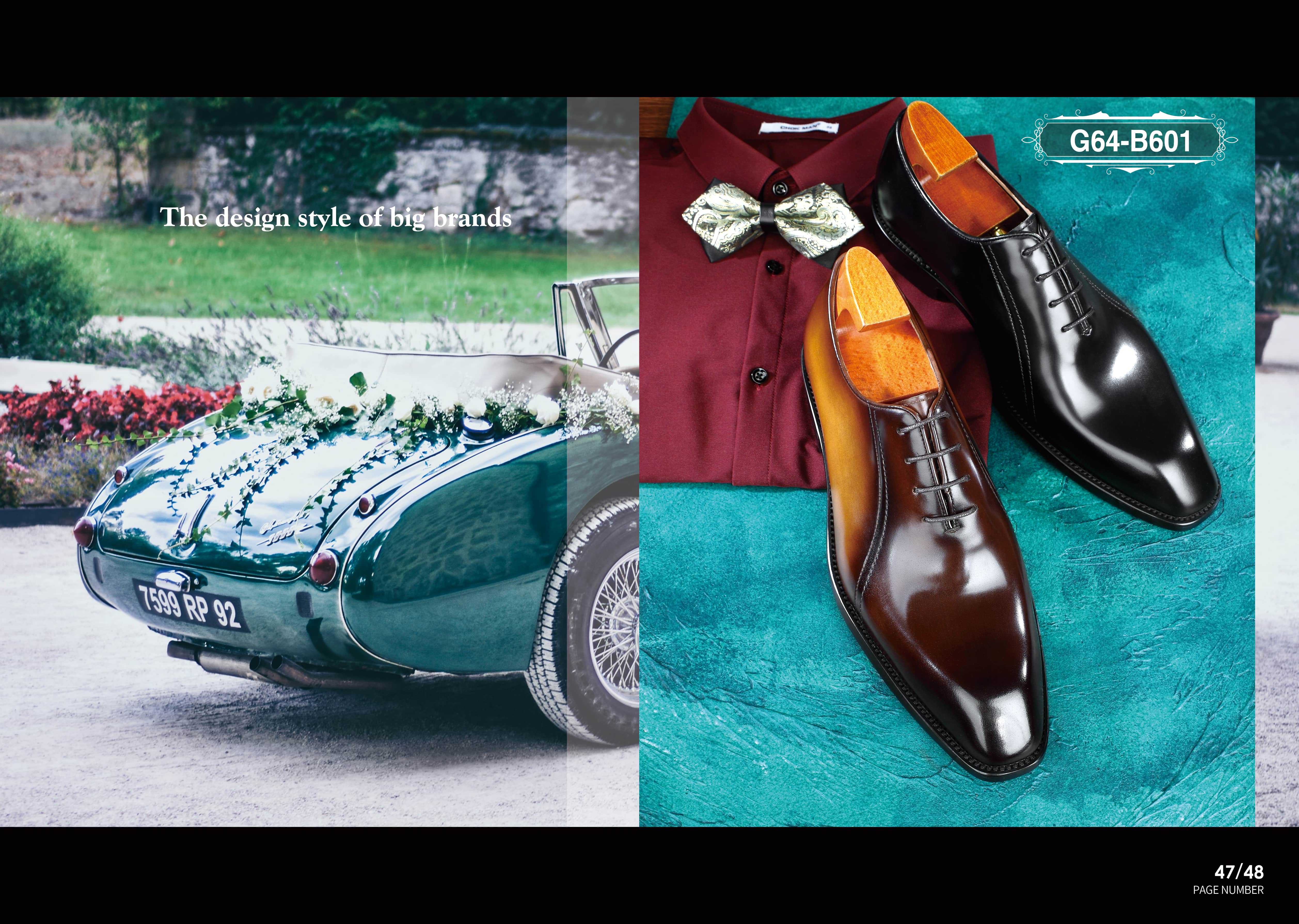
Formal events call for shoes that combine elegance and comfort, and Blake stitched shoes excel in both. The slim profile complements tailored suits, creating a sophisticated silhouette. Many iconic dress shoe styles, such as penny loafers and Oxfords, are traditionally Blake stitched. The flexibility reduces fatigue during long events, and the lightweight nature ensures ease of movement. Additionally, the clean lines highlight the craftsmanship, making them a conversation starter. Whether you're attending a wedding or a board meeting, Blake stitched shoes offer a timeless appeal that never goes out of style.
Care and Maintenance for Blake Stitched Shoes
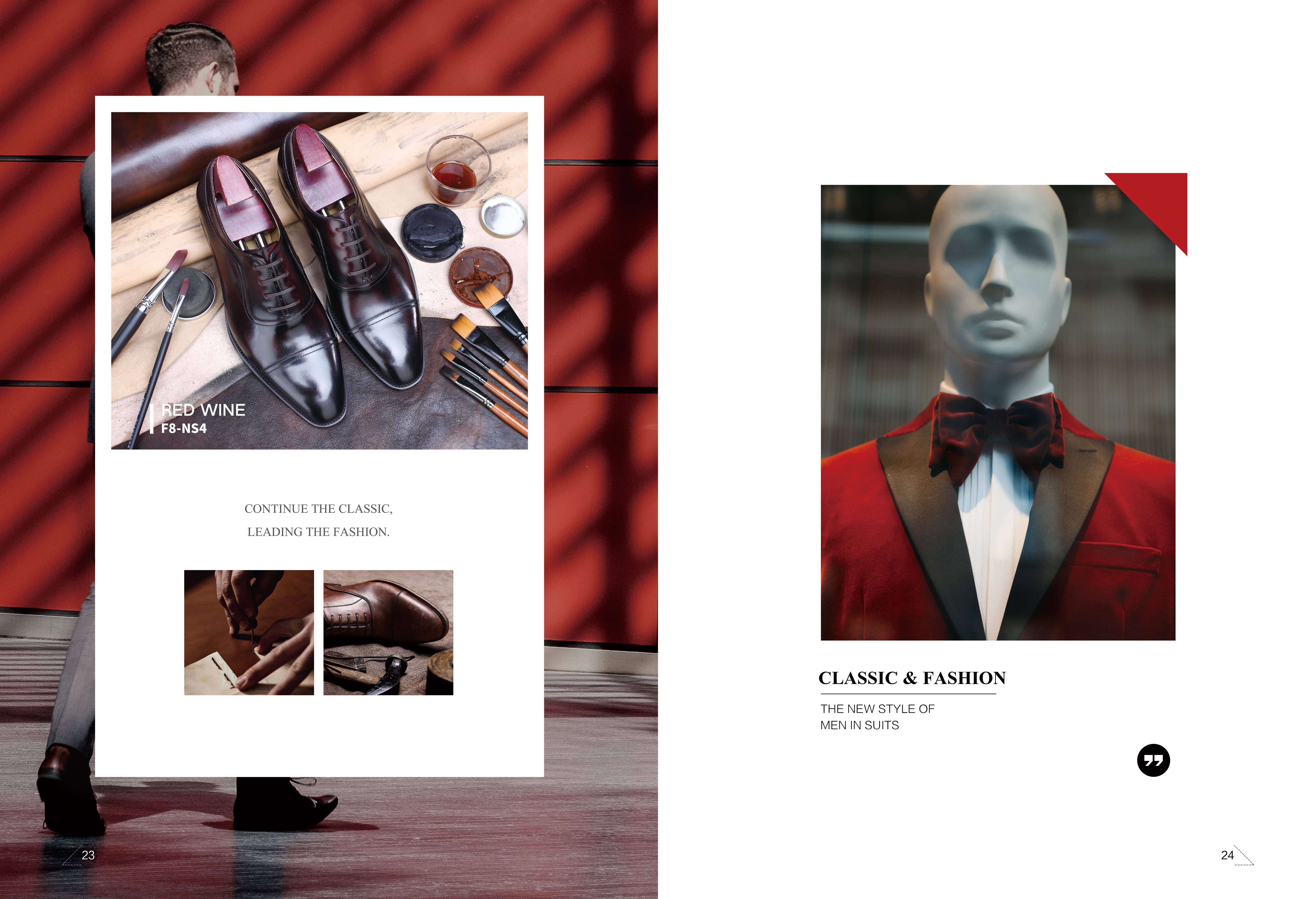
To prolong the life of your Blake stitched shoes, regular care is essential. Use a soft brush to remove dirt after each wear, and condition the leather monthly to prevent cracking. Apply a protective wax or spray to guard against moisture. When storing, use shoe trees to maintain shape and absorb sweat. Avoid wearing the same pair consecutively, allowing them to air out. For resoling, seek a cobbler experienced in Blake stitching to ensure proper reconstruction. With diligent care, your Blake stitched shoes can last decades, developing a beautiful patina that tells a story.
Common Questions About Blake Stitched Footwear
Is Blake stitching suitable for wide feet?Yes, Blake stitched shoes can be made on lasts that accommodate wide widths, but the lack of a welt may make them slightly more snug. It's advisable to try on and consider going up half a size if you have particularly wide feet.
How often should Blake stitched shoes be resoled?Depending on wear frequency, typically every 12-18 months. Signs include worn down soles or visible moisture seeping through. Regular rotation can extend the interval.
Can Blake stitched shoes be repaired?Absolutely. They can be resoled by a professional, and minor scuffs can be polished out. However, resoling requires specialized equipment, so choose a reputable cobbler.
Are Blake stitched shoes waterproof?Not inherently, but they can be treated with waterproofing sprays. The stitching may allow water ingress if submerged, so avoid heavy rain unless treated.