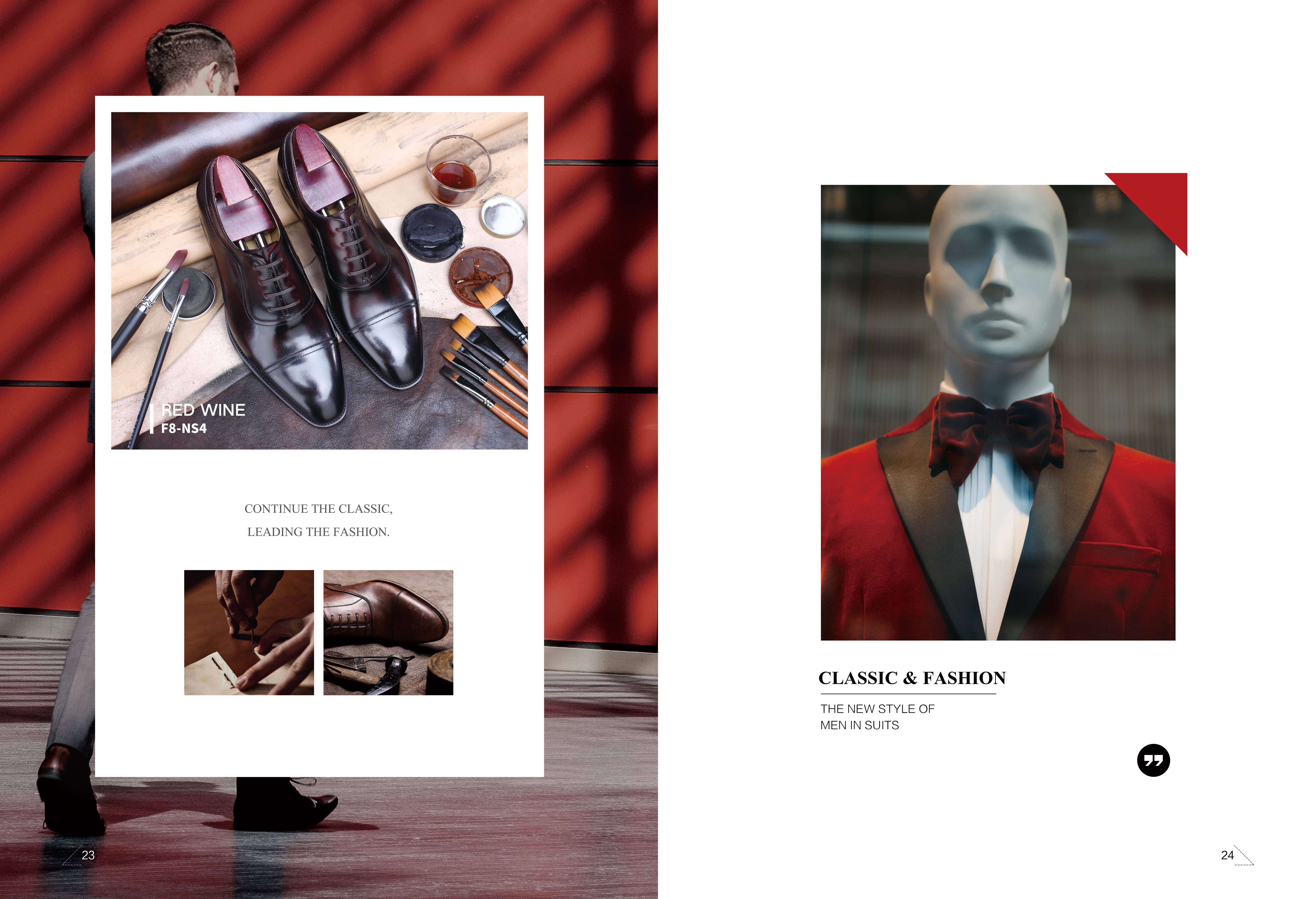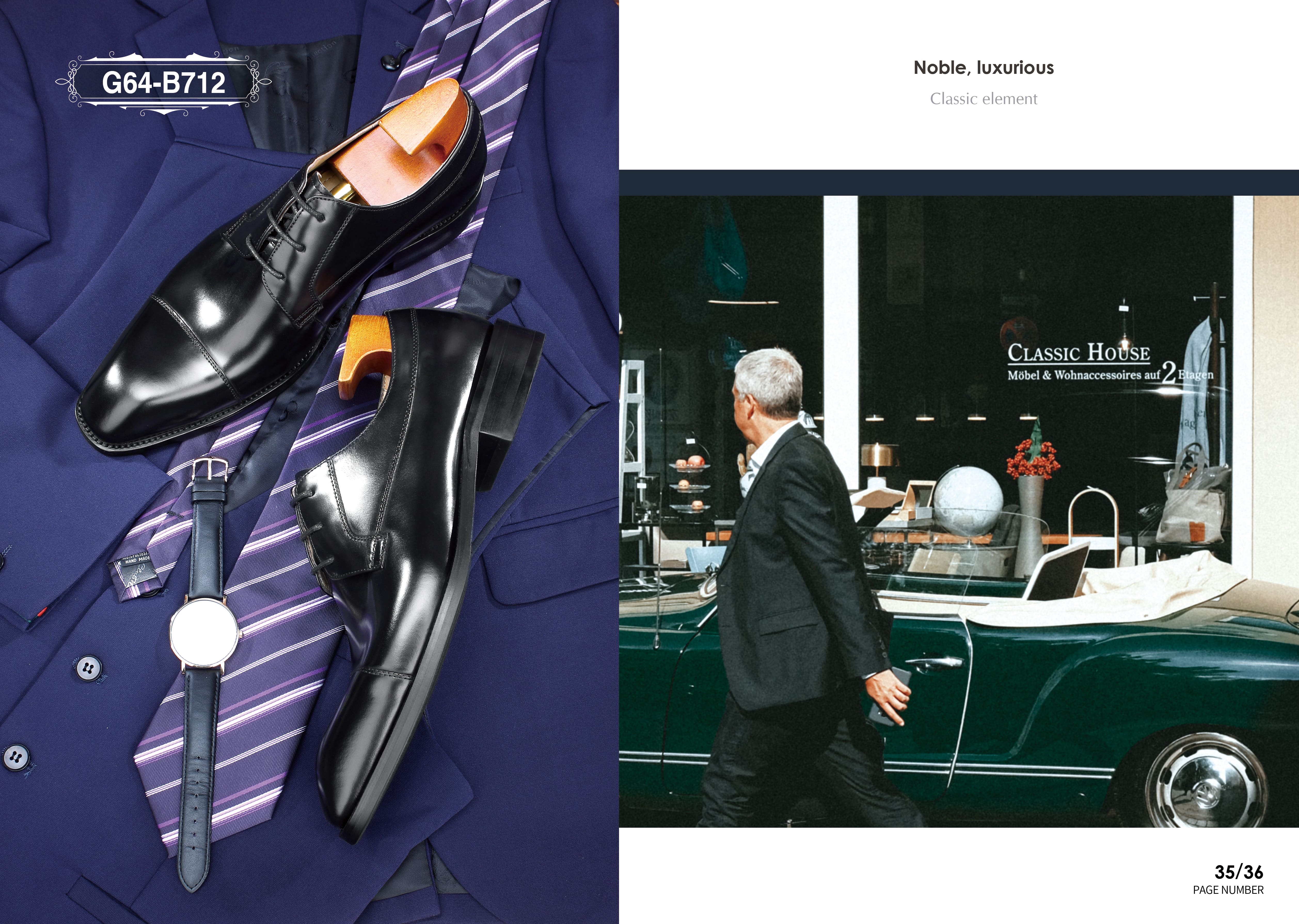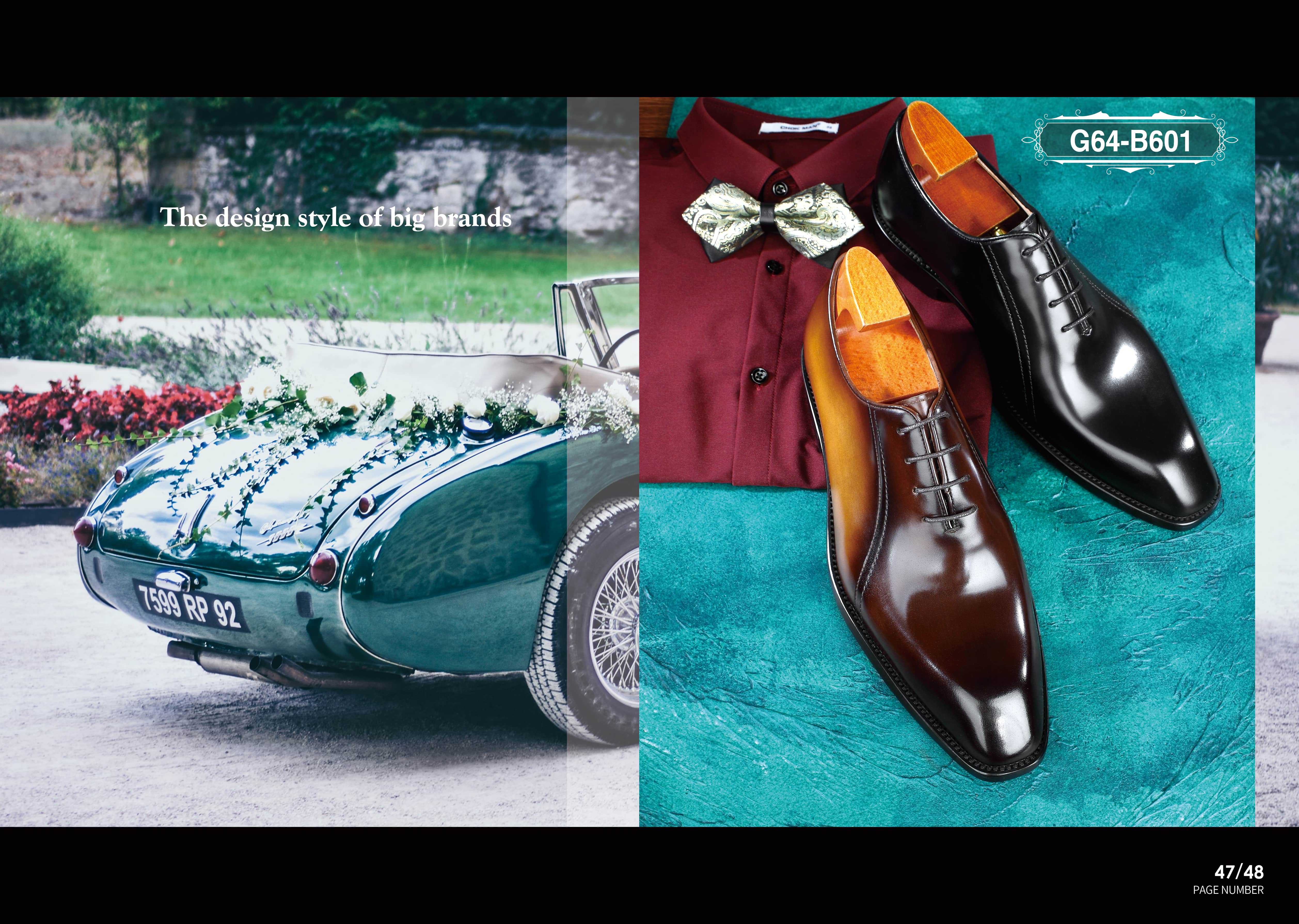





Goodyear Welted: The Ultimate Guide to This Premium Shoe Construction Method
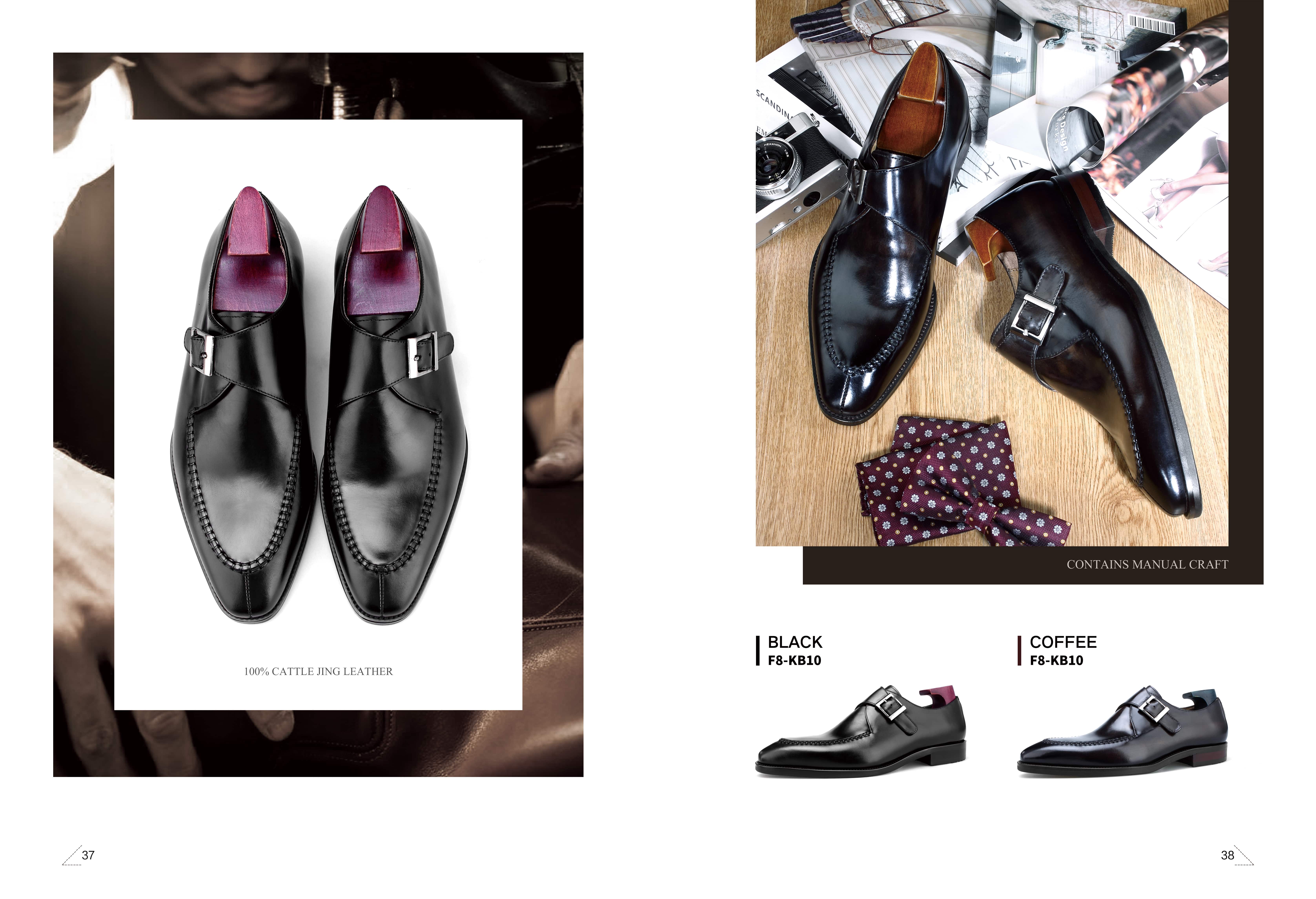
What Does Goodyear Welted Mean?
The term Goodyear Welted refers to a specific method of attaching a shoe's upper to its sole. Named after Charles Goodyear Jr., who revolutionized shoemaking in the 19th century, this technique involves stitching a strip of leather (the welt) to the upper and a strip of canvas, which is then attached to the sole. This creates a robust, water-resistant bond that is both durable and repairable. Unlike cheaper methods like cementing or Blake stitching, Goodyear welting allows for the sole to be replaced multiple times without damaging the upper, making it a hallmark of premium footwear.
The Superiority of Goodyear Welted Construction
Why do shoe enthusiasts and professionals alike swear by Goodyear welted shoes? The answer lies in their unmatched durability and comfort. The construction process creates a cavity between the sole and the upper, which is typically filled with cork or a similar material. This cork layer molds to the wearer's foot over time, providing a custom fit that enhances comfort with each wear. Additionally, the stitching method ensures that the shoe is less likely to separate from the sole, even under harsh conditions. In contrast, cemented shoes often deteriorate quickly, with soles peeling off after a year or two of regular use. Goodyear welted shoes, on the other hand, can last decades with proper care, making them a sustainable investment for any wardrobe.
The Craftsmanship Behind the Technique
Crafting a Goodyear welted shoe is a labor-intensive process that demands skill and precision. It typically involves over 200 individual steps, many of which are performed by hand. The process begins with 'lasting,' where the upper is stretched over a foot-shaped mold called a last. Next, the welt is stitched to the upper using a special machine, and then the sole is attached to the welt with another row of stitching. Finally, the shoe undergoes 'bottoming,' where the heel and final sole are added, and the edges are trimmed and polished. This meticulous attention to detail ensures that each shoe meets high standards of quality. Many famous shoe brands, such as Edward Green, Crockett & Jones, and Alden, are renowned for their Goodyear welted footwear, showcasing the technique's prestige.
The Resoleability Factor
One of the most compelling reasons to choose Goodyear welted shoes is their resoleability. When the sole wears out, it can be easily removed and replaced by a skilled cobbler, breathing new life into the shoes. This is a significant advantage over other construction methods, where the sole is glued directly to the upper, making resoling difficult or impossible. For example, a pair of Goodyear welted dress shoes, like those from Allen Edmonds, can be sent back to the factory for recrafting, which includes new soles, heels, and even a reconditioning of the leather. This not only saves money in the long run but also reduces waste, aligning with sustainable fashion practices. In contrast, disposable fast fashion shoes often end up in landfills, contributing to environmental harm.
Common Misconceptions and Realities
Despite their many benefits, there are some misconceptions about Goodyear welted shoes. One common myth is that they are naturally waterproof. While the construction does offer some resistance to water, the leather upper and stitching can still be damaged if not properly cared for. It's essential to use waterproofing sprays and conditioners to maintain their appearance and longevity. Another misconception is that Goodyear welted shoes are uncomfortable because they are 'stiff.' However, as mentioned earlier, the cork bed molds to your foot, actually enhancing comfort over time. Breaking in a new pair might require some patience—typically a few weeks of frequent wear—but the result is a shoe that feels like it was custom-made for you. Additionally, some argue that Goodyear welting is overrated and that Blake stitching, which is more flexible, is superior. While Blake-stitched shoes are lighter and more flexible, they are harder to resole and often less water-resistant. The choice ultimately depends on your priorities: flexibility and initial comfort vs. long-term durability and ease of resoling.
How to Identify Authentic Goodyear Welted Shoes
With the rise of counterfeit products, it's crucial to know how to spot authentic Goodyear welted shoes. First, look for the welt seam—the stitching that runs along the edge of the shoe where the sole meets the upper. On genuine Goodyear welted shoes, this seam is usually visible and consistent. You can also check the insole: real Goodyear welted shoes have a visible 'gemming' strip, a canvas-like material that the upper is stitched to, running along the edges of the insole. Another telltale sign is the weight of the shoe; the substantial construction and the cork filling make them heavier than cemented or Blake-stitched shoes. Additionally, the price point is a good indicator—quality doesn't come cheap, but you're paying for exceptional craftsmanship and longevity. If you're buying online, read reviews and look for brands with a strong reputation in the footwear industry. And when in doubt, consult a professional cobbler or a knowledgeable salesperson before making a purchase.
Care and Maintenance Tips for Longevity
Proper care is essential to maximize the lifespan of your Goodyear welted shoes. Start with regular cleaning: brush off dirt and dust after each wear, and use a damp cloth to wipe away any stains. Leather conditioner should be applied every few months to keep the upper supple and prevent cracking. For the soles, check for wear and tear periodically; if the heel or sole becomes worn, have them replaced promptly to avoid damaging the welt. Rotating your shoes is also recommended—wearing the same pair daily doesn't give the leather time to rest and dry out, which can lead to moisture damage. Additionally, use shoe trees, preferably made of cedar, to maintain the shape of the shoes and absorb moisture. When storing, keep them in a cool, dry place away from direct sunlight. By following these simple steps, you can enjoy your Goodyear welted shoes for many years, even decades, making them a worthwhile investment.
Common Questions (FAQ)
Are Goodyear welted shoes worth the high price?
Absolutely, for those who value quality and longevity. The initial cost is higher, but given that they can be resoled and last for years, the cost per wear is actually lower than cheaper shoes that need frequent replacement. Plus, the comfort and classic style are unmatched.
Can Goodyear welted shoes be repaired?
Yes, that's one of their main advantages. The soles can be replaced, and even the stitching can be repaired if it wears out. Many manufacturers offer recrafting services, or you can take them to a skilled cobbler.
How do I break in Goodyear welted shoes?
Start by wearing them for short periods, like a few hours a day, and gradually increase the time. Use thick socks to minimize friction. Over time, the cork bed will mold to your feet, making them extremely comfortable.
Are Goodyear welted shoes waterproof?
They are more water-resistant than glued shoes, but not fully waterproof. Leather is porous, and water can seep through if exposed for long. Regular waterproofing treatments will help protect them.
How do Goodyear welted shoes compare to Blake-stitched?
Goodyear welted shoes are heavier but more durable and easier to resole. Blake-stitched shoes are more flexible and lighter but harder to resole. The choice depends on your needs; for dress shoes that need frequent resoling, Goodyear is better.