




The Ultimate Guide to Premium Leather: Types, Care, and Buying Tips
What Defines Premium Leather?
Premium leather is more than just a material; it is a symbol of quality, durability, and timeless style. Unlike lower-grade leathers, premium leather comes from the top layers of animal hide, ensuring strength and a natural grain that improves with age. The term 'premium' often refers to full-grain or top-grain leather, which retains the original texture and develops a beautiful patina over time. When shopping for leather goods, look for labels like 'full-grain' or 'top-grain' to ensure you're getting the best quality. Understanding these distinctions is crucial for making informed purchases.
Types of Premium Leather: Full-Grain, Top-Grain, and More
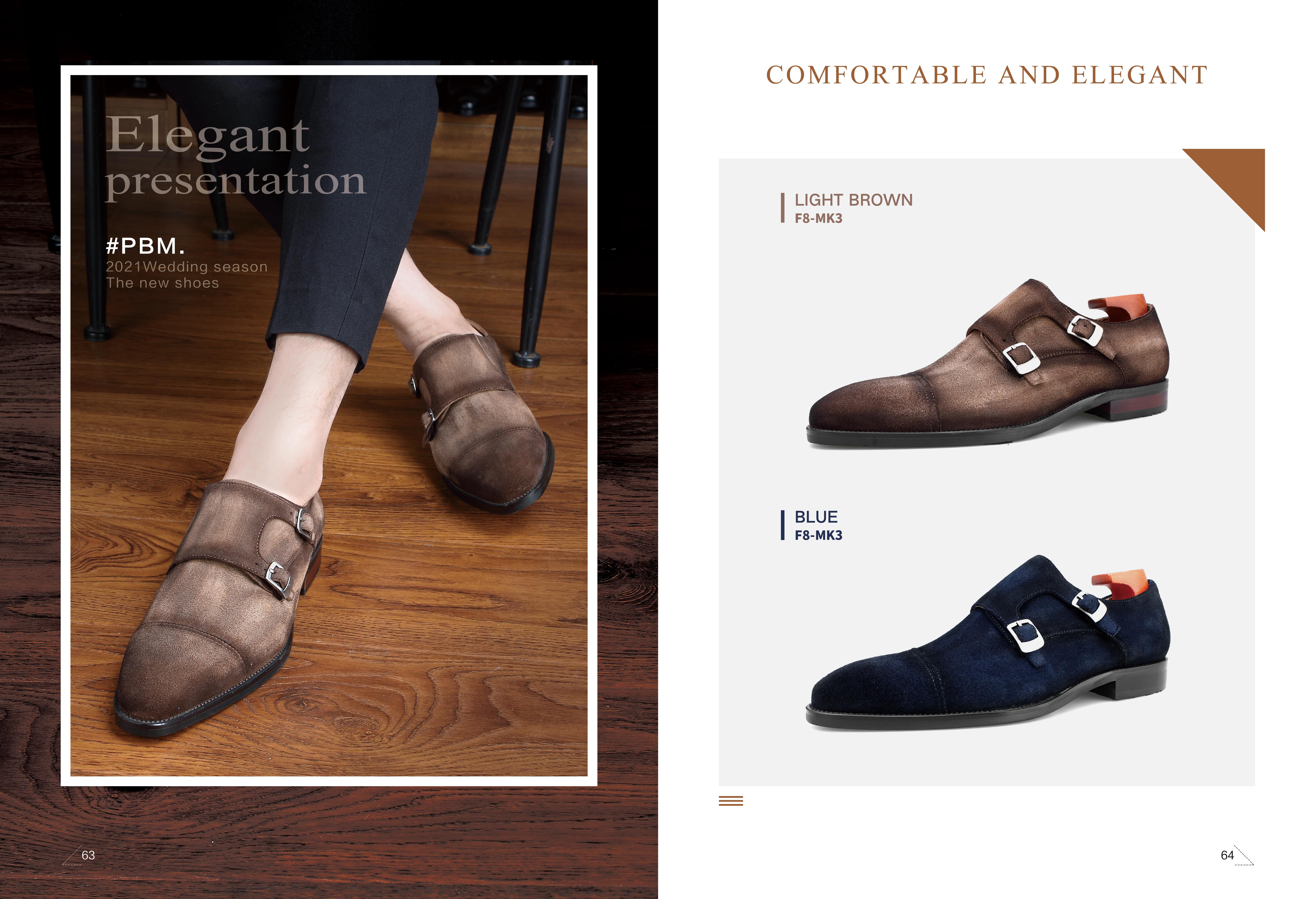
The leather market offers several types, each with unique characteristics. Full-grain leather is the highest quality, using the entire hide including natural markings, making it durable and breathable. Top-grain leather is sanded to remove imperfections, making it smoother and more uniform, but slightly less durable. Nubuck is full-grain leather buffed for a velvety texture, while suede is made from the underside of the hide, which is softer but less durable. For genuine premium leather, always prioritize full-grain or top-grain. Understanding these types helps you choose the right product for your needs, whether it's a jacket, bag, or furniture.
How to Identify Genuine Premium Leather
Distinguishing genuine premium leather from synthetic or bonded leather is essential. Real leather has a distinct smell, feels warm to the touch, and shows natural imperfections like pores or scars. Water test: Place a drop of water on the surface; genuine leather absorbs it quickly, while synthetic leather repels it. Edge inspection: Look at the edges – leather has a fibrous, suede-like texture, whereas bonded leather has a smooth, plastic-like edge. Additionally, check the price: premium leather is rarely cheap. If a deal seems too good to be true, it likely is. Always buy from reputable brands or artisans who offer transparency about their materials.
Essential Care and Maintenance Tips for Premium Leather
Proper care extends the life of premium leather and keeps it looking beautiful. Regular cleaning: Dust your leather items with a soft, dry cloth weekly. For deeper cleaning, use a damp cloth with mild soap, but avoid soaking the leather. Conditioning: Apply a high-quality leather conditioner every 3-6 months to keep it supple and prevent cracking. Protection: Use a protective spray designed for leather to repel water and stains. Avoid direct sunlight and heat sources, as they can fade and dry out the leather. Store leather items in a cool, dry place with proper ventilation, preferably in a breathable dust bag. With these steps, your premium leather will age gracefully, developing a rich patina that tells your story.
Top Brands and Buying Tips for Premium Leather Products
When investing in premium leather, choose brands known for their craftsmanship and ethical sourcing. Some reputable names include Hermès, Louis Vuitton, and Coach for luxury accessories, and Filson, Saddleback, and Red Wing for rugged, durable goods. When buying, consider the product's construction – look for reinforced stitching, quality hardware, and a strong zipper. Check for the 'Genuine Leather' label – it might be misleading; instead, look for '100% Leather' or the specific type. Also, ask about the tannery: vegetable-tanned leather is more eco-friendly and develops a better patina. Finally, consider the intended use: for daily wear, a full-grain leather bag is ideal, while top-grain might suit occasional use. Remember, premium leather is an investment – choose wisely.
Common Questions About Premium Leather
Q1: How can I tell if my leather is real premium leather?
Real premium leather has a distinct smell, feels warm and slightly porous, and will show natural imperfections. Perform the water test: real leather absorbs water, leaving a dark spot that dries, while synthetic leather repels water. Also, inspect the edges – real leather is fibrous, not smooth.
Q2: Is full-grain leather worth the extra cost?
Yes, full-grain leather is the top choice for durability and longevity. It develops a unique patina over time, making it more beautiful with age. While more expensive, it outlasts lower-grade leathers, making it a worthwhile investment for pieces you'll use regularly.
Q3: How do I remove stains from premium leather?
For tough stains, use a leather cleaner specifically designed for the type of leather. Apply with a soft cloth, gently rubbing in circular motions. Avoid harsh chemicals or water soaking. For ink stains, apply rubbing alcohol with a cotton swab, but test on an unseen area first. Always condition after cleaning.
Q4: Can premium leather get wet?
While leather can handle minor moisture, excessive water can damage it. If your leather gets wet, pat it dry with a soft cloth and let it air dry away from heat. Once dry, condition it to restore moisture. Use a water-repellent spray to protect it in rainy conditions.
Q5: What is the difference between bonded leather and premium leather?
Bonded leather is made from leftover leather fibers mixed with polyurethane, making it less durable and cheaper. Premium leather is a solid piece of hide, offering superior strength and longevity. Always choose premium leather for products that require durability, like furniture or daily bags.