




The Ultimate Guide to Calf Leather: Quality, Care, and Style
What Is Calf Leather?
Calf leather refers to leather made from the hides of young cattle, typically under one year old. This youthful origin gives the leather a finer grain, greater suppleness, and a smoother texture compared to adult cowhide. It is often used in high-end fashion, luxury accessories, and premium upholstery.
Key Characteristics of Calf Leather
Softness and Suppleness: Calf leather is renowned for its buttery feel, making it ideal for products that require a gentle touch, such as gloves and women's handbags. Durability: Despite its softness, calf leather is surprisingly strong, resisting tears and abrasions. Aesthetic Appeal: The tight grain pattern and natural luster give it a refined, expensive look that only improves with age, developing a unique patina.
How Is Calf Leather Produced?
The process begins with selecting high-quality hides, which are then tanned using either vegetable or chrome tanning methods. Vegetable tanning uses natural tannins, resulting in a firmer, more eco-friendly leather that molds to the user. Chrome tanning is quicker and produces a softer, more flexible leather. After tanning, the leather is dyed, finished, and often embossed to enhance its appearance.
Types of Calf Leather
Aniline Calf Leather: This is the highest quality, dyed with transparent aniline dyes to showcase the natural grain. Nubuck Calf Leather: Buffed to create a velvety, napped finish, similar to suede but stronger. Patent Calf Leather: Coated with a high-gloss finish, often used for evening shoes and formal bags.
Benefits of Choosing Calf Leather
Longevity: With proper care, calf leather products can last for generations. Comfort: Its natural breathability ensures comfort in both warm and cool climates. Versatility: It can be used for a wide range of items, from jackets and shoes to wallets and watch straps.
How to Identify Genuine Calf Leather
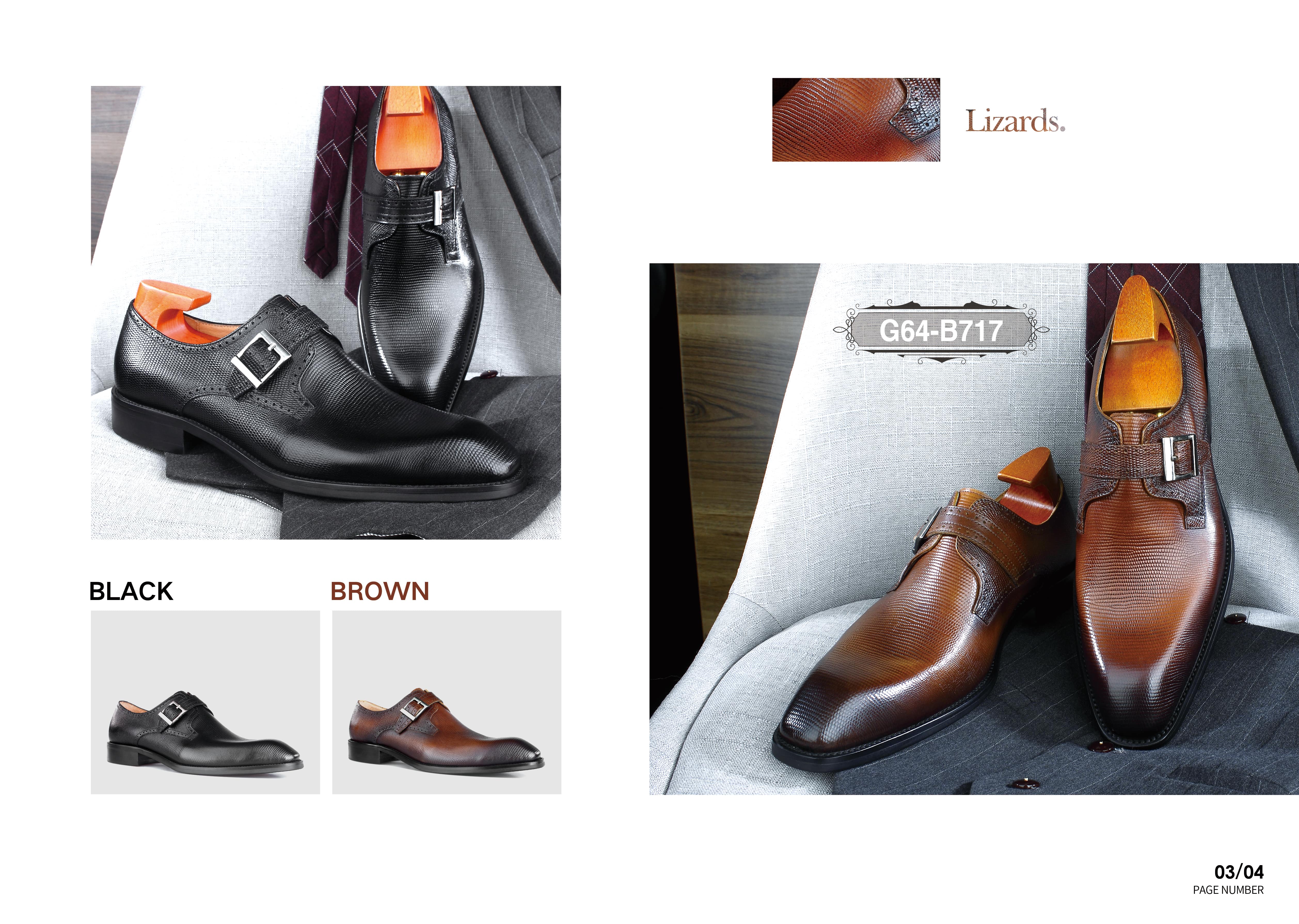
Genuine calf leather has a distinctive, pleasant smell, a smooth but slightly textured surface, and a dense fiber structure. Look for irregular pores and natural markings, which indicate authenticity. Avoid overly uniform patterns, which may suggest synthetic materials.
Caring for Your Calf Leather Goods
Regularly clean with a soft, dry cloth. Use a conditioner specifically designed for leather every few months to maintain moisture. Avoid excessive sunlight and heat, which can cause fading and cracking. For stains, use a damp cloth and a mild soap, but always test in an inconspicuous area first.
Common Questions
How long does calf leather last? With proper care, calf leather can last for decades, often outliving the owner. Is calf leather better than lambskin? Calf leather is generally more durable and has a firmer texture, while lambskin is softer and lighter but more delicate. Can calf leather get wet? Small amounts of water are fine, but thorough drying is essential. Prolonged moisture can damage the leather, so avoid heavy rain.