




The Art of Handcrafted: Why Handmade Goods Matter in a Mass-Produced World
Introduction: The Resurgence of Handcrafted
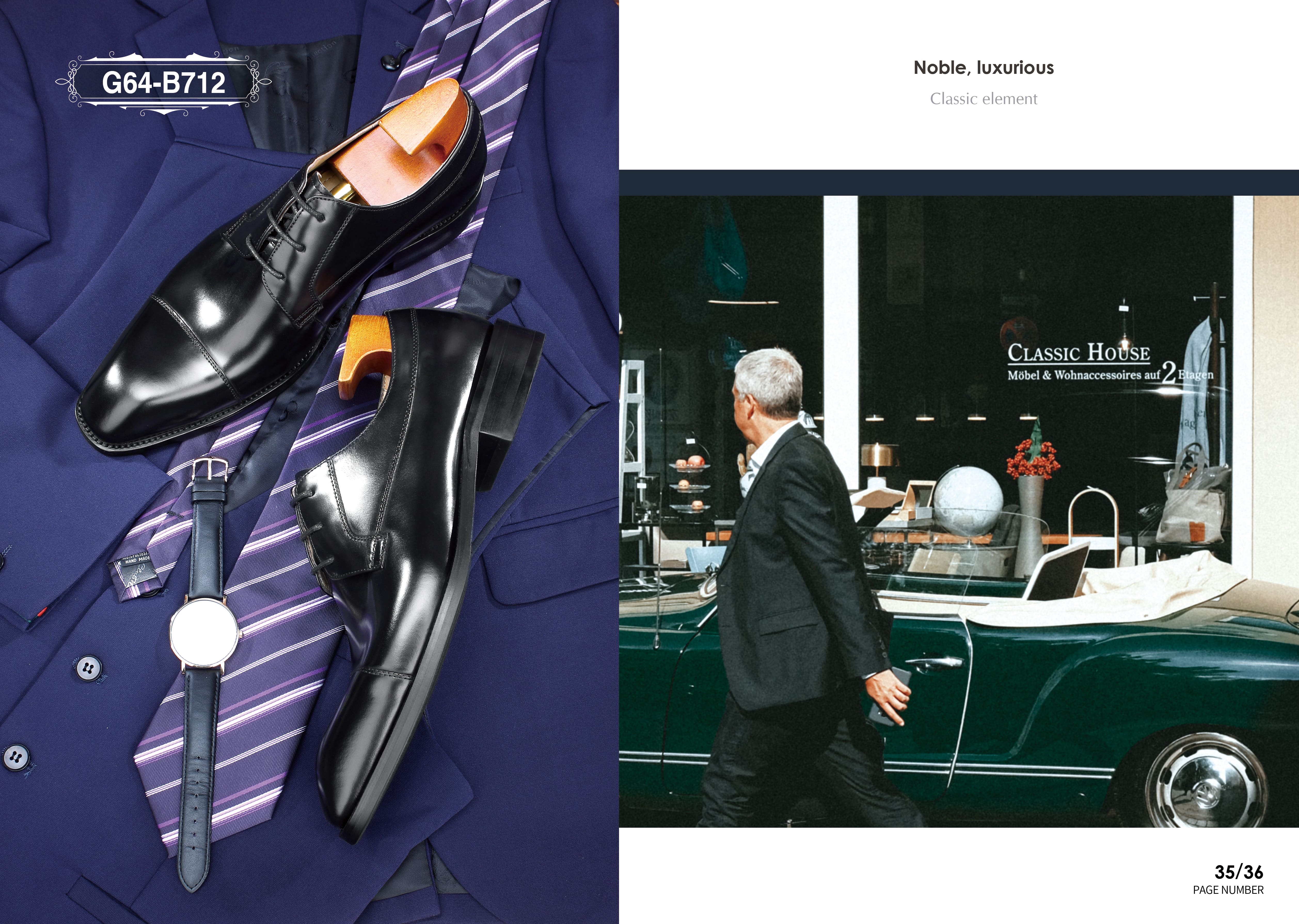
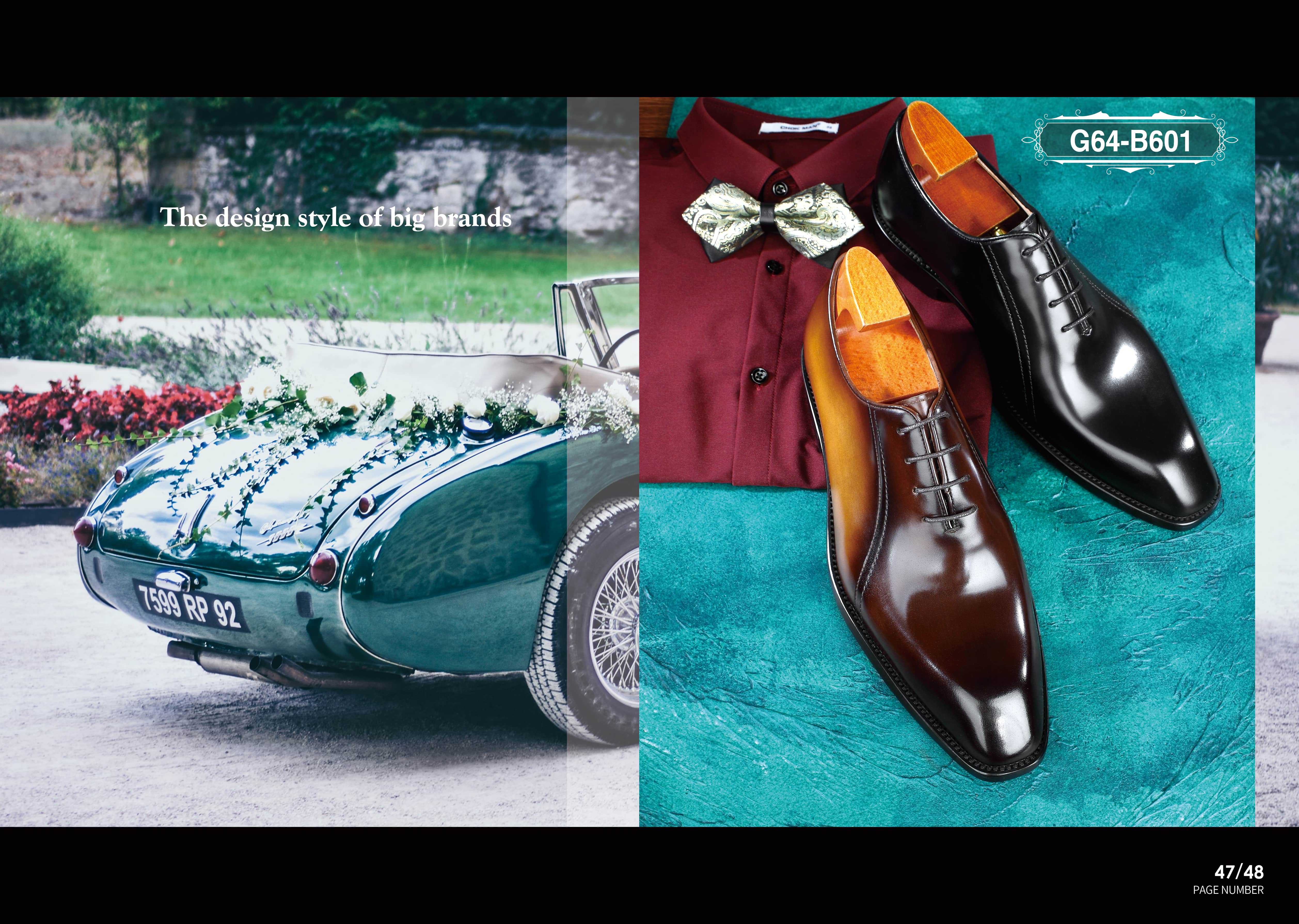
In a world where machines churn out millions of identical products every minute, the handcrafted item stands as a quiet rebellion. It's a statement that says: not everything must be fast, cheap, and disposable. The resurgence of interest in handmade goods is not merely a trend but a profound shift in consumer consciousness. People are increasingly seeking products that carry the touch of a human hand, the story of a maker, and the soul of tradition. But what exactly does "handcrafted" mean? It means more than just being made by hand; it embodies a philosophy of intentionality, quality, and connection.
The Meaning and Value of Handcrafted
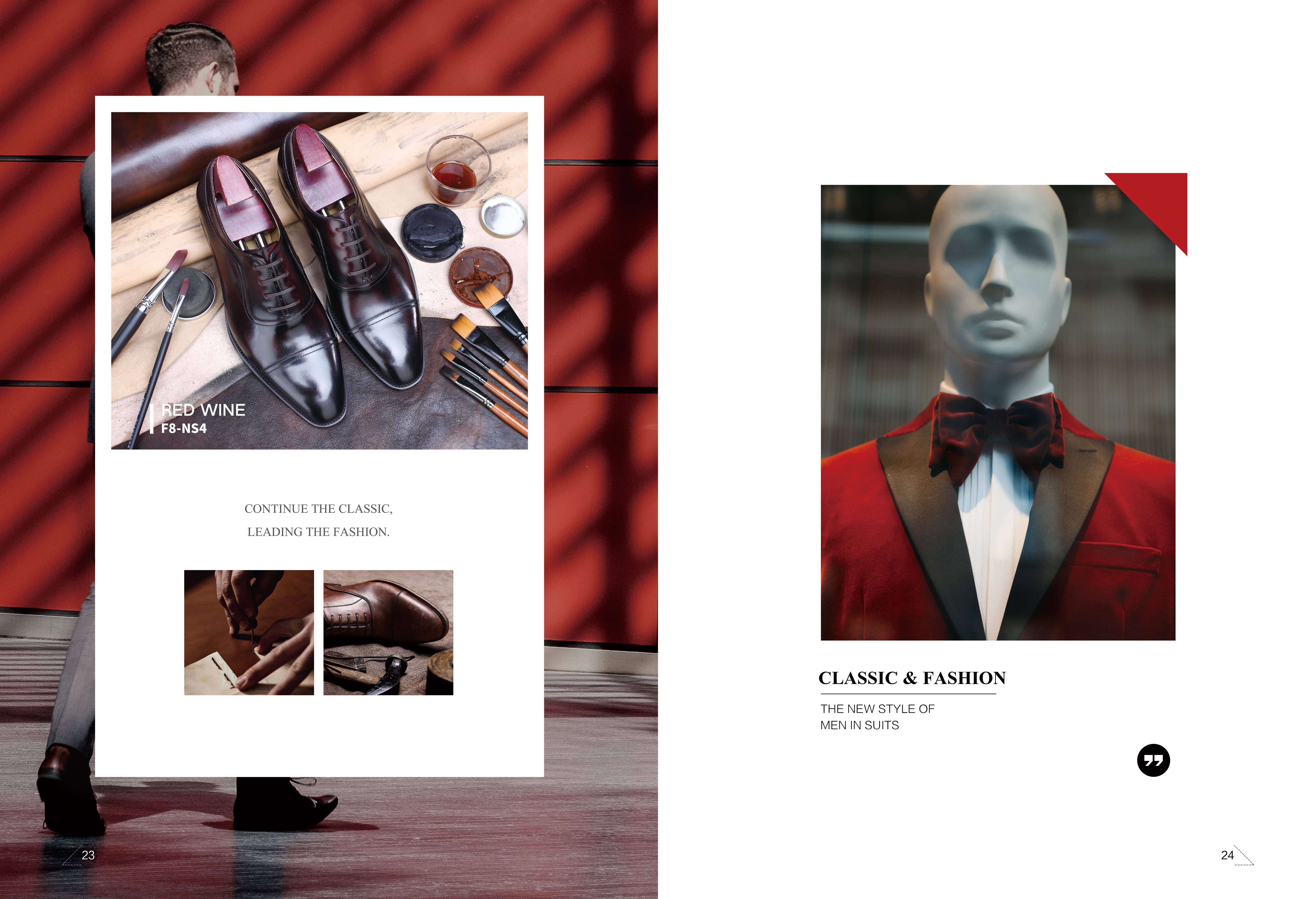
Handcrafted items are defined by their artisanship and the personal touch of the maker. Unlike mass-produced goods, each handcrafted piece is unique, often bearing slight variations that make it distinct. This uniqueness is a celebration of human imperfection and creativity. Moreover, handcrafted goods are typically made with higher quality materials and greater attention to detail, as the maker's reputation is staked on every piece. From a beautifully woven basket to a hand-thrown ceramic vase, these items are not just objects but repositories of time, effort, and cultural heritage.
Environmental and Economic Benefits
Choosing handcrafted is not only an aesthetic choice but also an environmental statement. Handmade products often have a smaller carbon footprint compared to factory-made goods, as they require less energy and produce less waste. Additionally, when you buy handcrafted, you support local economies and small businesses, helping to sustain communities and traditional skills that might otherwise be lost. This economic impact is significant: for every dollar spent on handmade goods, a larger portion goes directly to the artisan, fostering a more equitable distribution of wealth.
Cultural and Psychological Significance
Handcrafted items are carriers of cultural identity. They preserve age-old techniques and designs that are passed down through generations, keeping traditions alive. For the consumer, owning a handcrafted item can evoke a sense of connection to the maker and the culture from which it originates. Psychologically, surrounding ourselves with handmade goods can enhance our well-being, as they remind us of what it means to be human—our capacity for creativity, patience, and expression. In a disposable society, handcrafted items encourage us to value durability and meaningfulness over novelty.
Challenges and Solutions in the Handcrafted Industry
Despite its many benefits, the handcrafted industry faces significant challenges. The cost and availability of handmade products can be prohibitive for many, making them seem exclusive. Additionally, artisans often struggle to reach a wider audience and compete with the low prices of mass-produced alternatives. However, solutions are emerging through digital platforms that connect artisans directly with consumers, and through the rise of 'slow living' movements that advocate for conscious consumption. As consumers, we can make a difference by educating ourselves about the value of handcrafted goods and being willing to pay a premium for quality and ethics.
How to Choose and Care for Handcrafted Goods
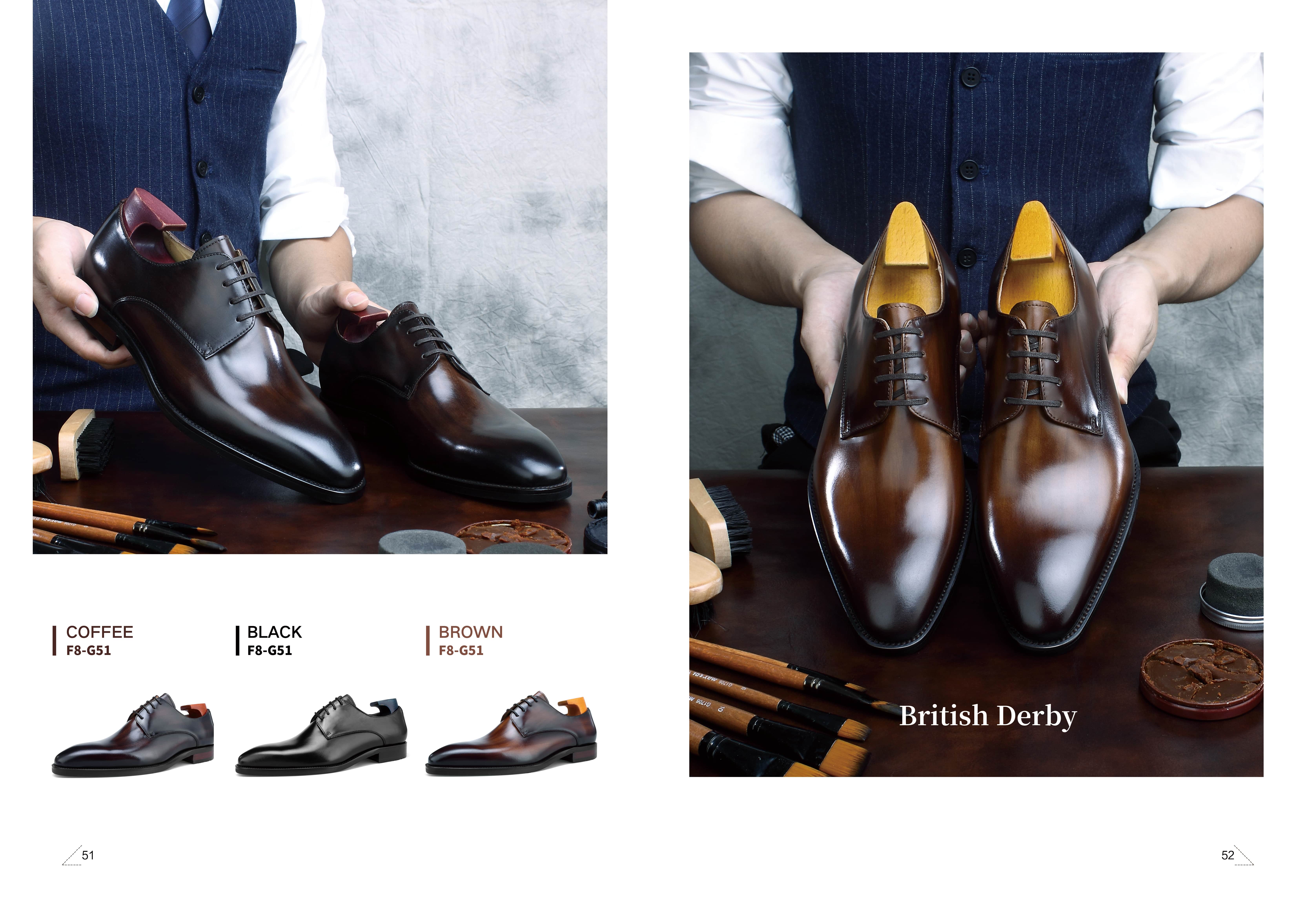
When purchasing handcrafted items, it's important to look for authenticity. Seek out makers who share their processes and stories, and who are transparent about their materials. Don't be afraid to ask questions about the origin and technique. Caring for handcrafted goods is also crucial to their longevity. Unlike mass-produced items, they may require special attention—such as hand-washing delicate fabrics or polishing wooden pieces. This care not only preserves their beauty but also deepens your connection to the item.
Conclusion: Embracing the Handcrafted Ethic
Handcrafted is more than a label; it is an ethic of mindful living. By choosing handmade, we honor the skill and dedication of artisans, we invest in the health of our planet and communities, and we enrich our own lives with objects that carry meaning and beauty. In a world that often prioritizes speed and efficiency, the handcrafted movement reminds us to value what is slow, unique, and authentic. Let us embrace the handcrafted ethic, not just in the things we buy, but in all aspects of our lives.
Common Questions
1. Why are handcrafted items more expensive than mass-produced ones?Handcrafted items are typically more expensive due to the time, skill, and high-quality materials involved. Each piece is made individually, often taking hours or even days to complete. Additionally, artisans are compensated fairly for their labor, which ensures a sustainable livelihood. This cost reflects the true value of the product and the human effort behind it.
2. How can I verify that a product is genuinely handcrafted?Look for indicators such as slight irregularities that are natural in handmade items, the presence of tool marks, or the lack of identical pieces. Research the seller or artisan, read their story, and check if they provide detailed descriptions of their process. Many authentic artisans are happy to share their crafting methods and can provide photos or videos.
3. Can handcrafted items be mass-produced while retaining their essence?By definition, handcrafted implies a certain level of individual attention and manual work. While some techniques can be partially mechanized, true handcrafted items cannot be fully mass-produced without losing their essence. The value lies in the human touch, which is inherently unique and not replicable on a large scale.