




The Art of Handmade Leather Monk Strap Shoes: A Comprehensive Guide
Introduction to Handmade Leather Monk Strap Shoes
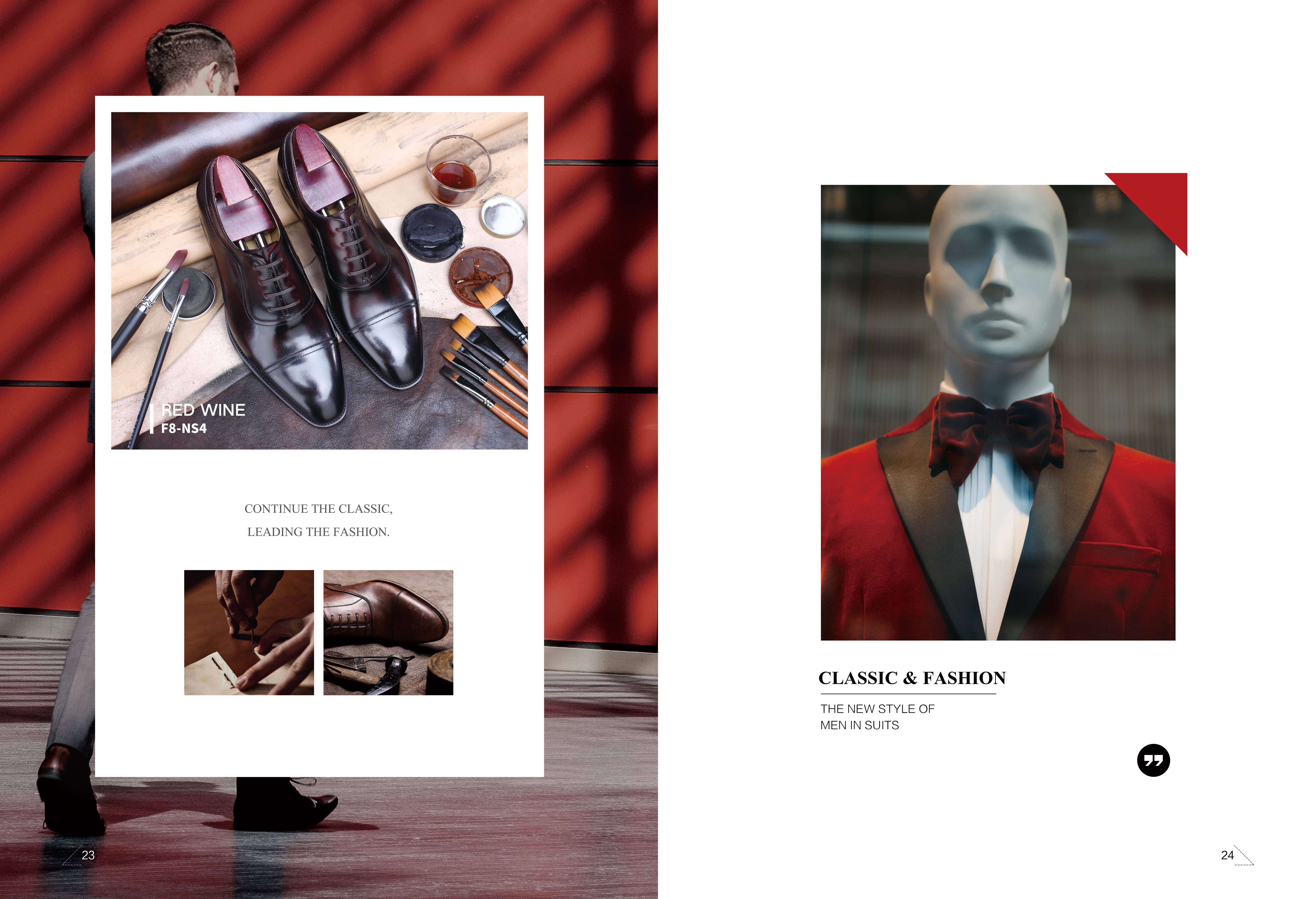
Handmade leather monk strap shoes epitomize the pinnacle of footwear craftsmanship. Unlike mass-produced alternatives, these shoes are meticulously crafted by skilled artisans, ensuring each pair is unique and durable. The monk strap design, characterized by a buckled strap over the instep, offers a distinctive look that strikes a balance between formal and casual. In this guide, we delve into the allure of these shoes, exploring their construction, benefits, and care, while affirming why they are a valuable investment for any wardrobe.
The History and Evolution of Monk Strap Shoes
The origins of monk strap shoes trace back to the monastic footwear of European monks in the 15th century. Their practical design, which remains secured without laces, appealed to those seeking simplicity and functionality. Over the centuries, the style evolved, gaining popularity in the 20th century as a fashionable alternative to lace-up dress shoes. Today, handmade versions stand as a testament to traditional craftsmanship, preserving the classic aesthetic while incorporating modern techniques.
Why Choose Handmade Leather Monk Strap Shoes?
Choosing handmade over mass-produced offers numerous advantages. Firstly, superior materials: artisans select premium full-grain leathers that age beautifully, developing a unique patina over time. Secondly, uncompromising craft: each pair involves hundreds of skilled hand operations, from cutting to stitching, ensuring impeccable alignment and durability. Thirdly, customized fit: many makers offer made-to-measure services, resulting in a shoe that molds perfectly to your feet. Additionally, handmade shoes are more sustainable, supporting ethical production and reducing waste. Moreover, the distinctive aesthetic – with its clean lines and subtle elegance – elevates any outfit, from tailored suits to smart casual ensembles.
Key Elements of Handmade Construction
The construction of handmade leather monk strap shoes involves several meticulous steps. Lasting: the shoe is shaped over a wooden last, which determines its fit and silhouette. Stitching: skilled craftsmen use the Goodyear welt or Blake stitch methods, providing robust attachment between the upper, sole, and welt. Leather selection: the finest hides – often from European tanneries – are cut, skived, and shaped by hand. Hardware: the buckles are typically made of solid brass or nickel, attached with precision to ensure longevity. Finally, finishing: edges are burnished, and soles may be hand-stitched – all contributing to a product that is as functional as it is beautiful.
Styles and Variations of Monk Strap Shoes
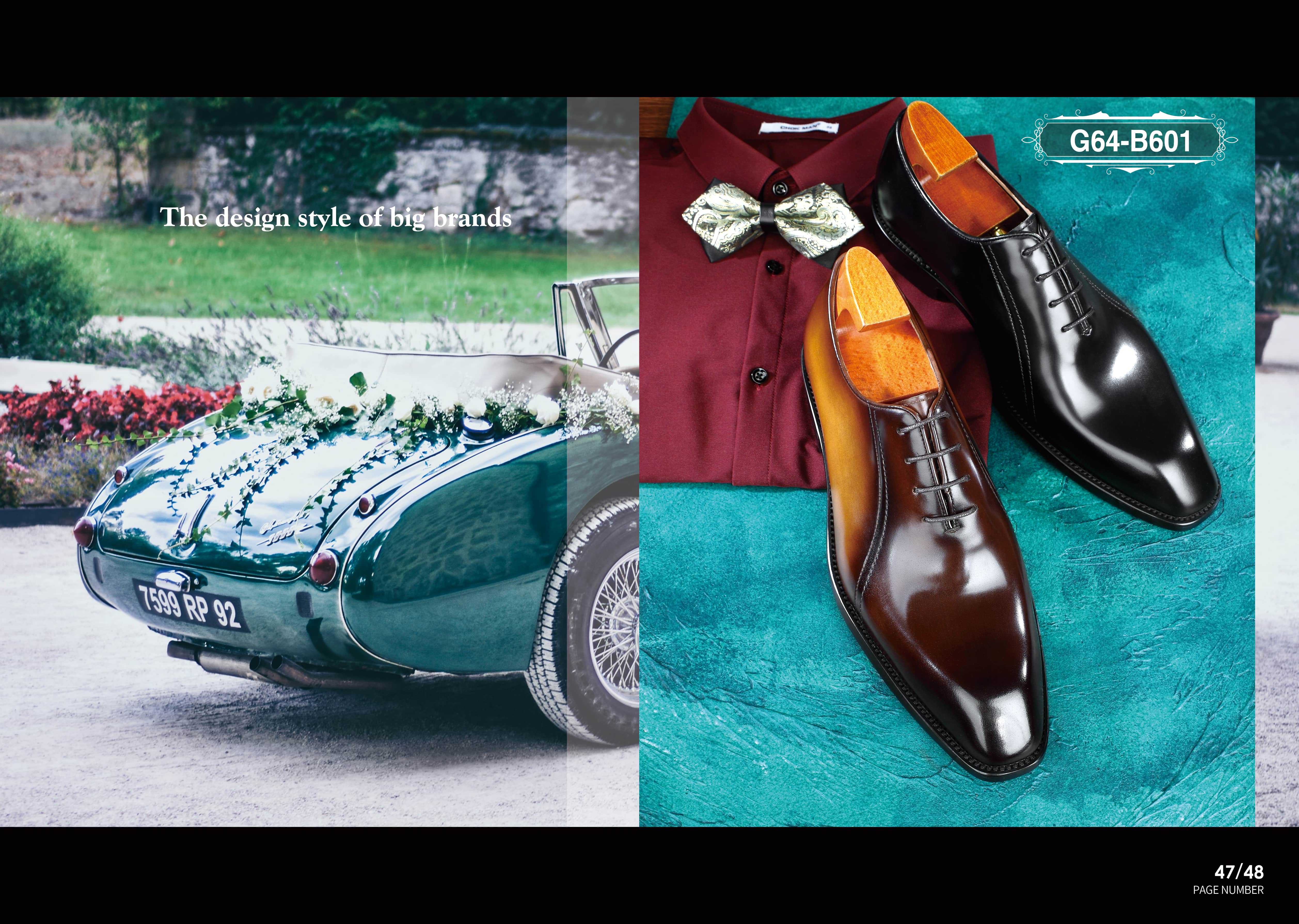
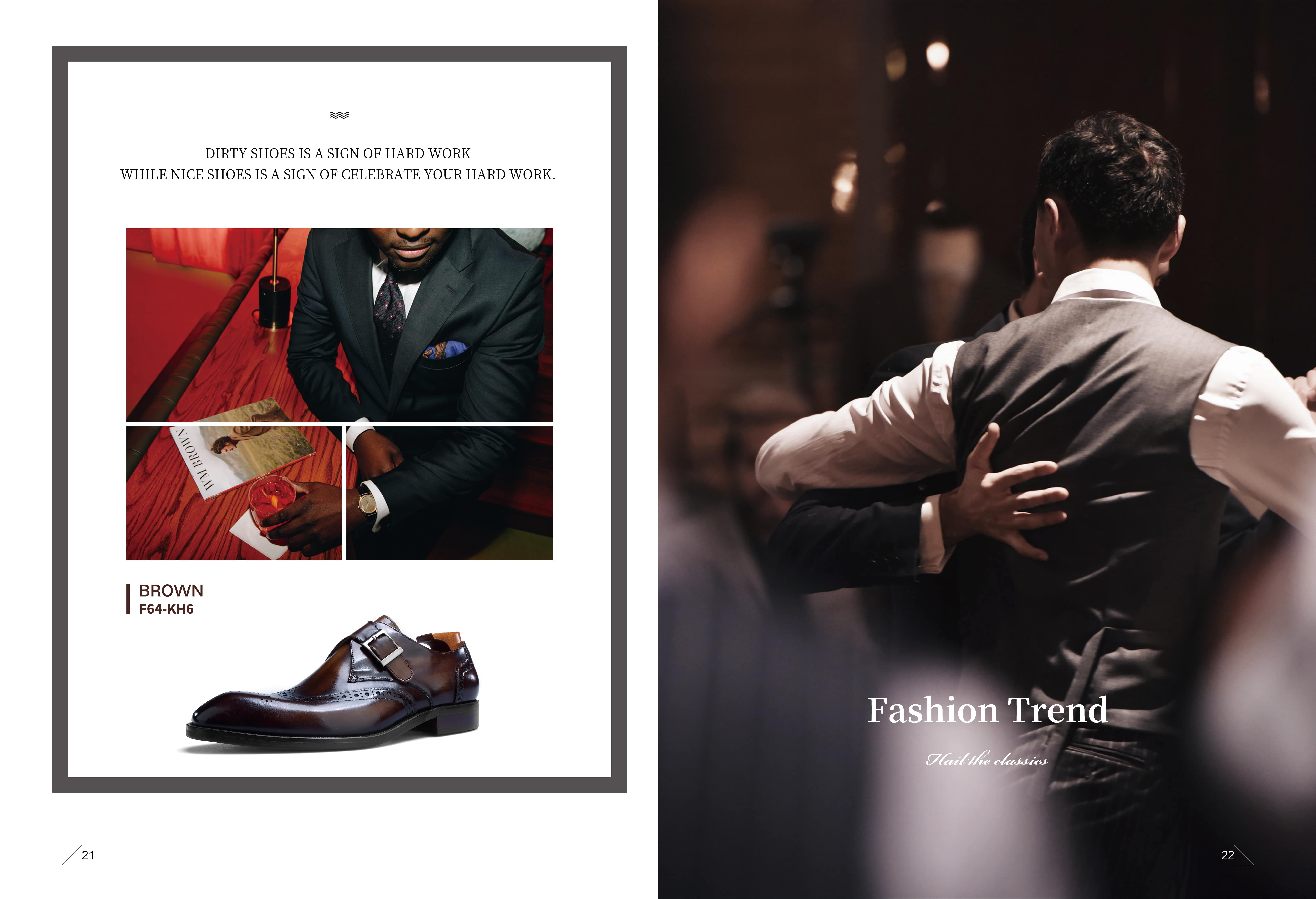
Monk strap shoes come in several styles, each offering a different personality. Single monk strap: the classic design with one buckle, epitomizing understated elegance. Double monk strap: featuring two straps and buckles, this style adds a bolder, more contemporary touch. Cap-toe monk: incorporates an additional leather panel at the toe for a dressier appearance. Whole-cut monk: made from a single piece of leather, showcasing minimal seams and a sleek look. Materials also vary – from smooth calfskin to exotic options like suede or alligator – allowing for personal expression. When choosing a style, consider your wardrobe and the occasions you intend to wear them for.
How to Pair and Style Your Monk Strap Shoes
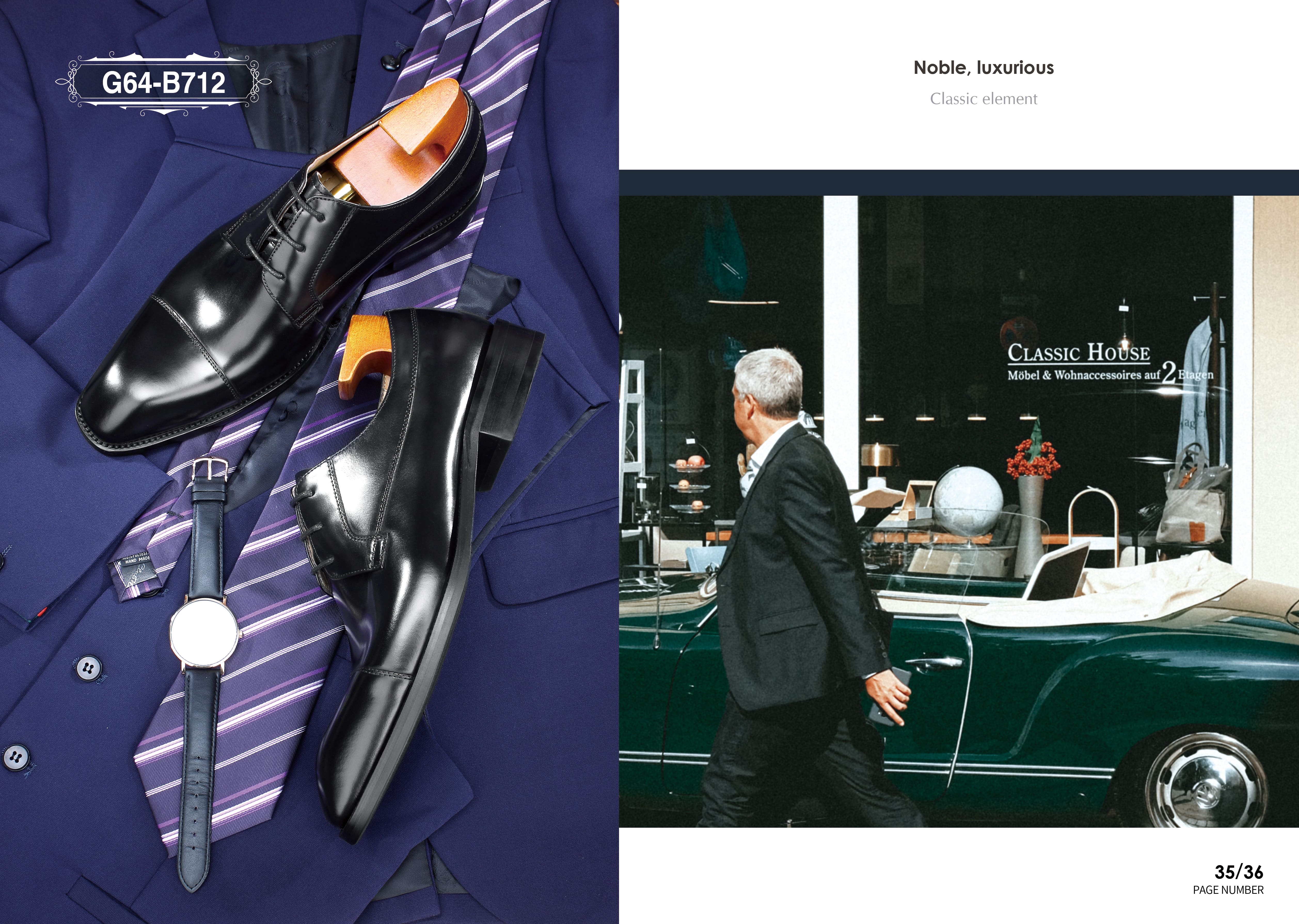
Monk straps are remarkably versatile. For formal settings, pair dark brown or black calfskin monk straps with a well-tailored suit; the buckle detail adds character without compromising professionalism. For smart casual, choose suede or lighter brown shades, and team them with chinos, tailored trousers, or even dark denim. Avoid overly casual attire, as the shoe’s structured profile requires a certain level of formality. Additionally, pay attention to sock choices: no-show socks for a contemporary vibe, or fine wool socks for the cooler months. Remember, the fit is paramount – a well-fitting monk strap should feel like a second skin, providing arch support and comfortable heel grip.
Caring for Your Handmade Leather Monk Strap Shoes
To ensure your shoes last for decades, proper care is vital. Regular cleaning: remove dirt with a soft brush or damp cloth after each wear. Conditioning: apply a high-quality leather conditioner every few months to maintain suppleness and prevent cracking. Polishing: use a matching wax polish to restore shine and protect the leather. Rotation: allow shoes to rest at least 24 hours between wears to let moisture evaporate. Storage: use cedar shoe trees to retain shape and absorb moisture. Resoling: when the sole wears down, have it replaced by a professional to extend the life of the shoes. With attentive care, your handmade investment will age gracefully, developing character over time.
Investment Value and Sustainability
While handmade leather monk strap shoes command a higher upfront price, they offer exceptional long-term value. Their durability often surpasses multiple pairs of cheaper shoes, and their timeless style means they won’t go out of fashion. Furthermore, handmade shoes support traditional artisans and reduce mass-produced waste, aligning with sustainable fashion principles. Brands like Carmina, Crockett & Jones, and Alden exemplify these standards, offering quality that is immediately noticeable. For the conscious consumer, choosing handmade is a statement of ethical and aesthetic discernment.
Common Questions About Handmade Leather Monk Strap Shoes
Are monk strap shoes suitable for formal occasions?
Yes, especially the single monk strap in classic colors like black or dark brown, which pair elegantly with suits. They are considered less formal than Oxfords but more formal than loafers, striking a perfect balance for many business and wedding settings.
How should monk strap shoes fit?
They should fit snugly but comfortably, with the straps adjusted to secure the foot without pinching. Ensure your heel does not slip and your toes have ample room. Consider trying on in the afternoon when feet are slightly swollen for the most accurate fit.
Can monkl strap shoes be resoled?
Absolutely. Goodyear welted or Blake stitched constructions allow for easy resoling. A skilled cobbler can replace the sole multiple times, preserving the upper and extending the lifespan of your shoes, making them a sustainable choice.
What is the difference between monk strap and double monk strap?
The single monk has one buckle, offering a cleaner, more subtle look; the double monk adds a second strap and buckle, providing a more intricate and fashion-forward appearance. The choice depends on personal style and the desired level of visual interest.
How do I break in new monk strap shoes?
Wear them gradually, starting with short periods indoors. Use a shoe stretcher if necessary, and apply conditioner to soften the leather. Patience is key; after a few wears, they will mold to your feet for a custom-like fit.