




The Ultimate Guide to Luxury Handmade Leather Shoes Worldwide
What Defines Luxury Handmade Leather Shoes?
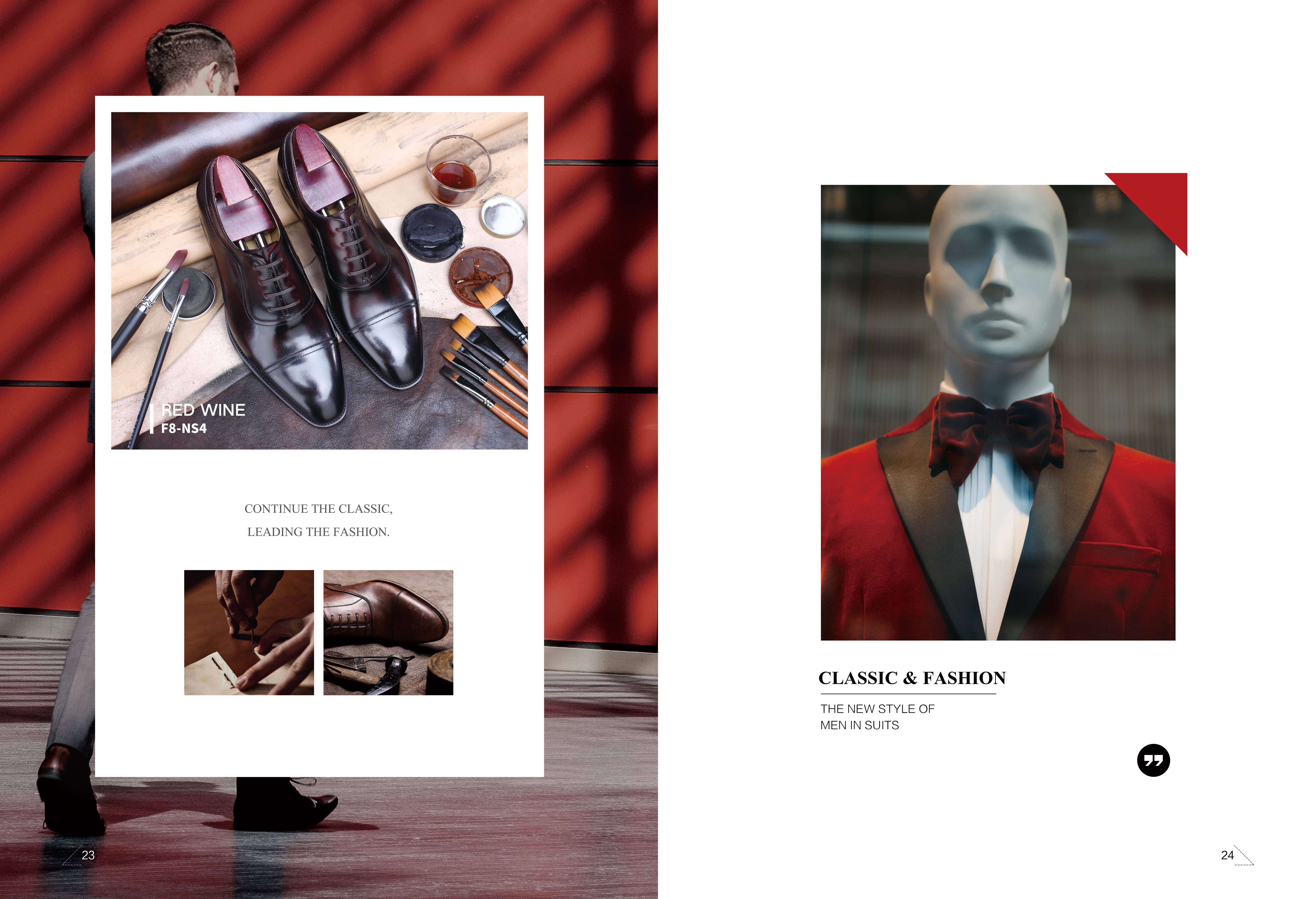
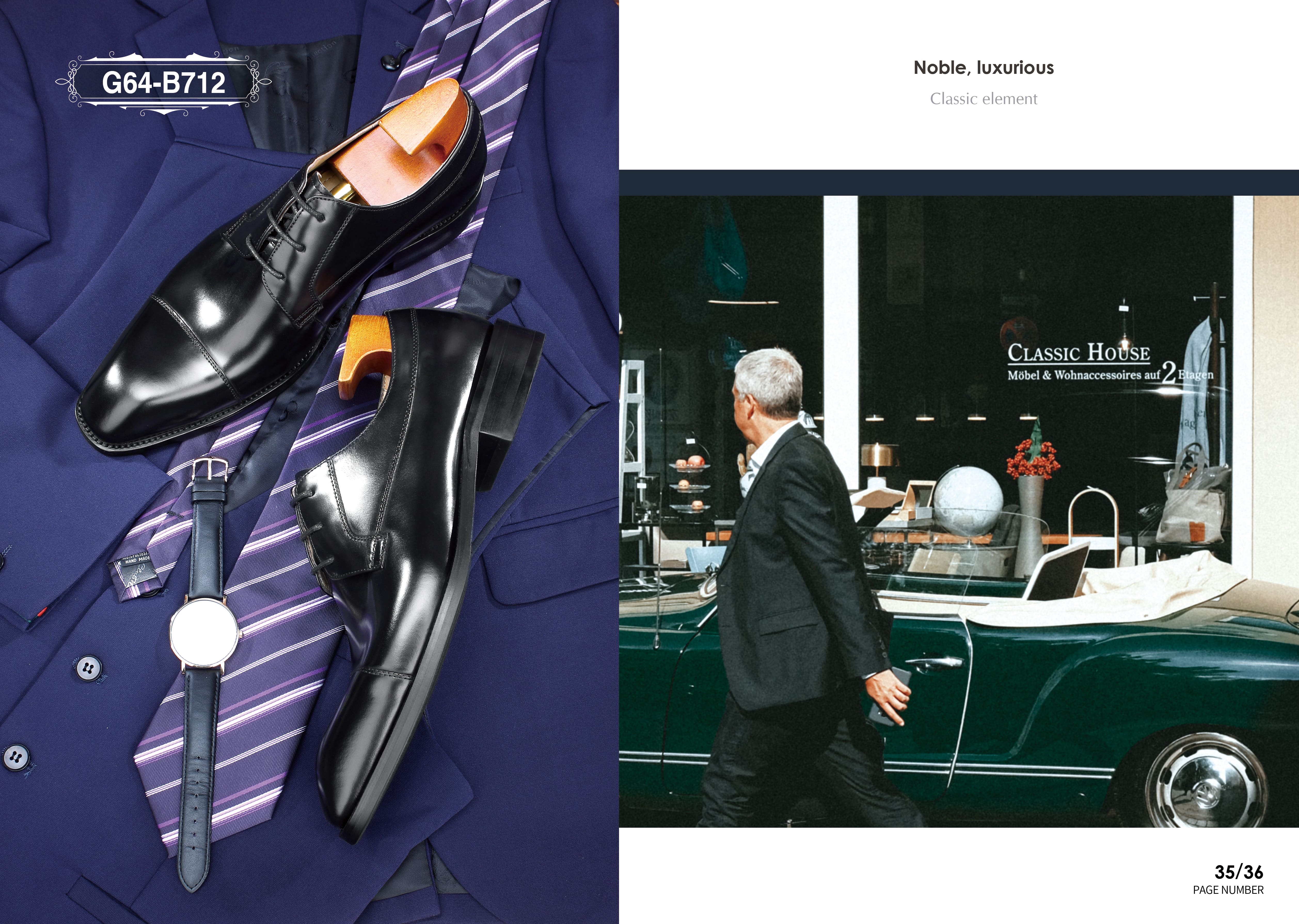
Luxury handmade leather shoes are more than just footwear; they are a testament to traditional craftsmanship and premium materials. Unlike mass-produced footwear, these shoes are meticulously crafted by skilled artisans who pay attention to every detail, from the selection of the finest leather to the hand-stitched soles. The term “luxury” signifies not only the high price point but also the exclusivity and exceptional quality that comes with each pair. Key characteristics include the use of full-grain or top-grain leather, hand-lasting, and hand-stitching, which ensure durability and a perfect fit. These shoes often feature leather linings, cork or leather insoles that mold to the wearer's feet over time, and premium outsoles made of leather or custom rubber. This combination of artistry and material excellence makes each pair unique and long-lasting.
The History and Tradition of Handmade Shoes
The art of handmade shoemaking dates back centuries, with techniques passed down through generations. In the Middle Ages, cobblers were highly respected craftsmen who created bespoke footwear for the elite. Over time, the industrial revolution introduced mechanization, but the demand for handmade shoes persisted among those who appreciated quality and fit. Today, luxury brands like John Lobb, Gaziano & Girling, and Edward Green continue to uphold these traditions, often producing limited quantities to maintain exclusivity. These artisans use time-honored methods such as the Goodyear welting and Blake stitching, which provide strength and flexibility. Moreover, many modern makers incorporate contemporary designs while respecting classic silhouettes, appealing to both traditionalists and fashion-forward consumers. This heritage adds a layer of value, making each pair not just a product but a piece of craftsmanship history.
Materials: The Heart of Luxury Handmade Shoes
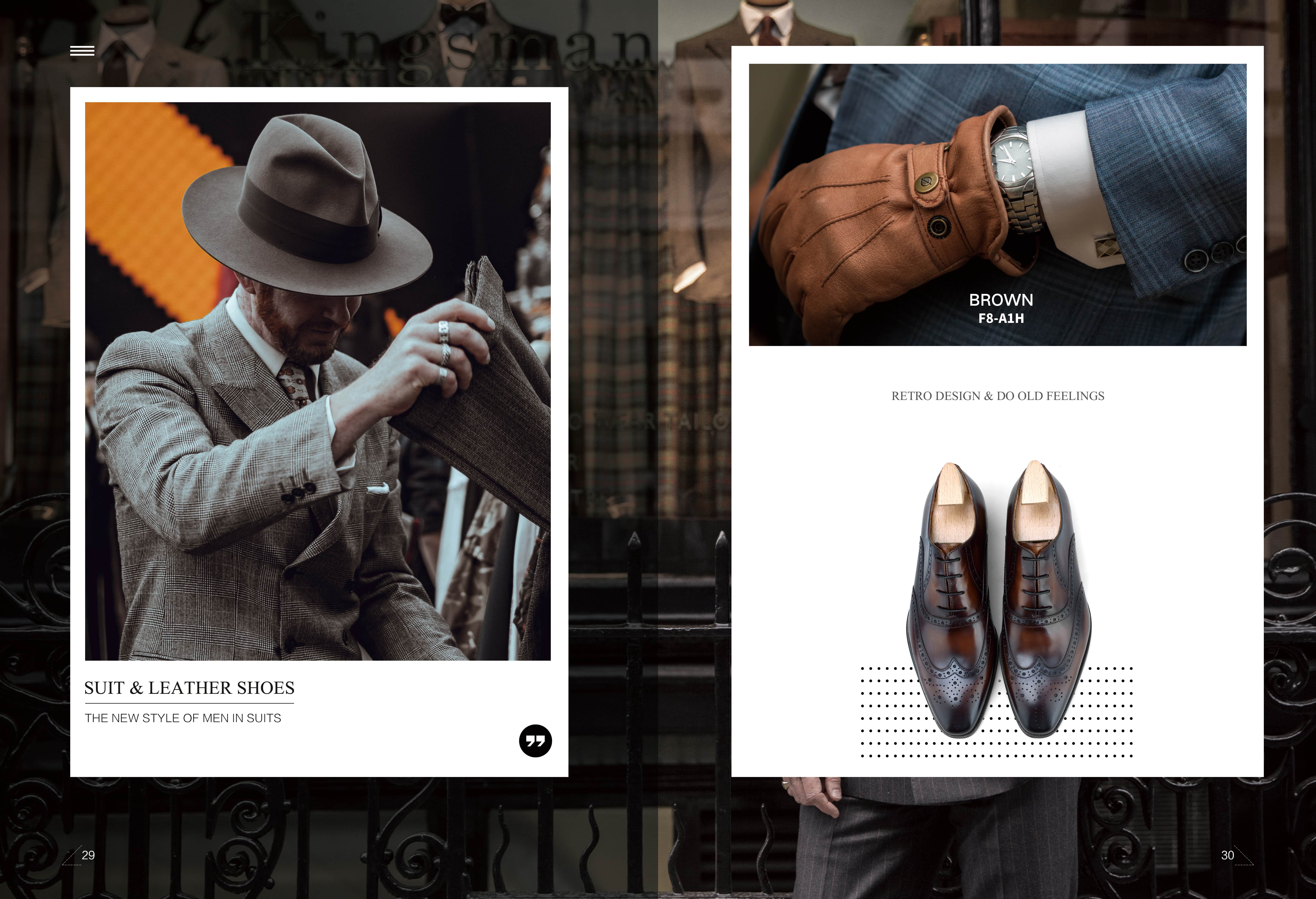
The choice of leather is paramount in luxury shoe making. The finest shoes are crafted from full-grain leather, which retains the natural texture and is highly durable. Exotic leathers like alligator, ostrich, and lizard are also used for their unique patterns and softness. These materials are sourced from renowned tanneries, such as the French Tanneries de la Seine or the Italian Horween, which are known for their high standards. In addition to the upper, the sole and insole materials are just as important. Traditional shoes feature leather soles, which are breathable and conform to the foot, but they require more care. Some brands offer a resoleable construction, extending the shoe's lifespan. The stitching thread is often made of synthetic or linen fibers for strength. Every component is chosen to ensure comfort, durability, and aesthetic appeal, making the shoes suitable for years of wear with proper maintenance.
Artisans Behind the Craft
The individuals who create these shoes are masters of their trade, often having completed years of apprenticeship. They possess a deep understanding of foot anatomy, leather behavior, and construction techniques. A typical pair of handmade shoes may take up to 40 hours to complete, involving over 200 individual steps. The process begins with pattern making, followed by cutting the leather, and then assembling the shoe. Each step requires precision; for example, the lasting process (shaping the upper over the shoe last) demands careful handling to avoid wrinkles and ensure a smooth fit. Hand stitching is used for the upper and the sole, providing flexibility and repair-ability. These artisans take immense pride in their work, and their expertise is reflected in the final product. Many brands even allow clients to visit their workshops and watch the craftsmen at work, offering a unique insight into the dedication involved.
Global Hubs of Luxury Shoemaking
Several regions around the world are renowned for luxury handmade shoemaking, each with its distinct style and techniques. Italy is famous for its elegant designs and soft, supple leathers, with brands like Stefano Bemer and Amedeo Testoni. England is known for its sturdy, classic shoes constructed on the Goodyear welting method, with iconic makers such as Edward Green and Crockett & Jones. France offers Parisian chic with labels like Berluti, known for their patina-treated leathers. Portugal and Spain have also emerged as centers for high-quality handmade shoes, often providing private label manufacturing for global brands. These hubs are not only places of production but also cultural landmarks, attracting footwear enthusiasts who appreciate the local heritage and savoir-faire.
How to Choose the Perfect Pair
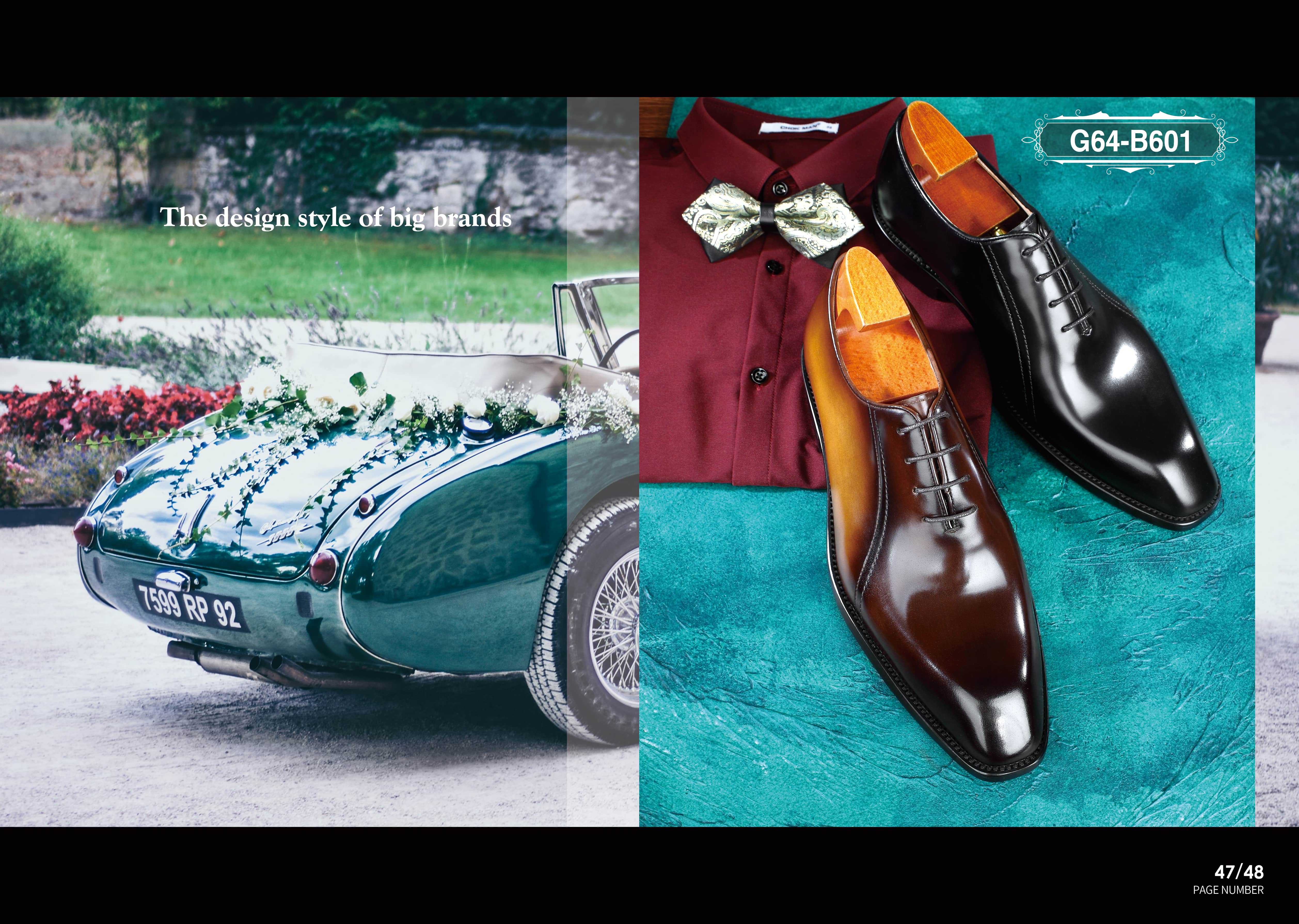
Selecting luxury handmade leather shoes involves more than just picking a size. First, consider the occasion: dress shoes for formal events, loafers for business casual, or boots for winter. Next, determine your preferred last (the shoe shape), which influences fit and style. All brands offer different lasts, so it's essential to try them on or use a professional fitting. The leather type also matters; smooth calfskin is versatile, while suede offers a relaxed look. Understand the construction method—Goodyear welted shoes can be re-soled, making them a long-term investment. Also, consider the color: black and brown are timeless, but oxblood and tan offer a distinctive touch. Finally, assess your budget; while these shoes are expensive, they offer value through durability and timeless appeal. If you're new to this world, start with a classic oxford or a Derby and gradually expand your collection.
Caring for Your Luxury Handmade Shoes
To ensure your handmade shoes last for decades, proper care is crucial. Here are some essential tips:
1. Rotate your shoes: Allow them to rest for at least 24 hours between wears to let them dry and retain their shape.
2. Use shoe trees: Cedar shoe trees absorb moisture and help maintain the shape, especially after wearing them.
3. Clean and condition: Wipe off dirt with a soft cloth, and use a conditioner suited for the leather type to keep it supple. For smooth leather, apply a thin layer of cream and polish. For suede, use a special brush.
4. Protect against water: Apply a waterproofing spray to protect against stains and water damage, but avoid over-saturating the leather.
5. Resole when needed: When the sole wears down, have them re-soled by a professional cobbler to extend their life.
6. Store properly: Keep them in a cool, dry place, ideally in dust bags to prevent scratches.
By following these practices, your shoes will age gracefully and continue to look elegant for years.
Frequently Asked Questions
1. Are handmade leather shoes worth the investment?Yes, if you value quality, durability, and style. Made with superior materials and techniques, they can last for decades with proper care, offering a cost-per-wear lower than cheaper shoes. They also provide a unique aesthetic that mass-produced shoes can't replicate.
2. How do I ensure the correct fit?It's essential to get measured by a professional, as sizes vary by brand and last. Try shoes on in person or use detailed size guides. Note that handmade shoes should fit snugly but not tight; leather will stretch and mold to your feet over time.
3. Can I wear handmade leather shoes in the rain?Leather shoes can handle light rain, but extensive exposure can damage them. Use waterproofing treatments and avoid puddles. If they get wet, let them dry naturally and use shoe trees to prevent warping.
4. What is the difference between Goodyear welted and Blake stitched shoes?Goodyear welted shoes have a sealed channel that makes them more water-resistant and allows for easy resoling, but they are heavier. Blake stitched shoes are lighter and more flexible, but resoling is more complex. Both have their pros and cons, and the choice depends on your preference.
5. How many pairs of luxury handmade shoes should I own?Start with two to three versatile pairs, such as a black oxford, a brown Derby, and a loafer. This provides variety for different occasions and allows proper rotation to extend their lifespan.