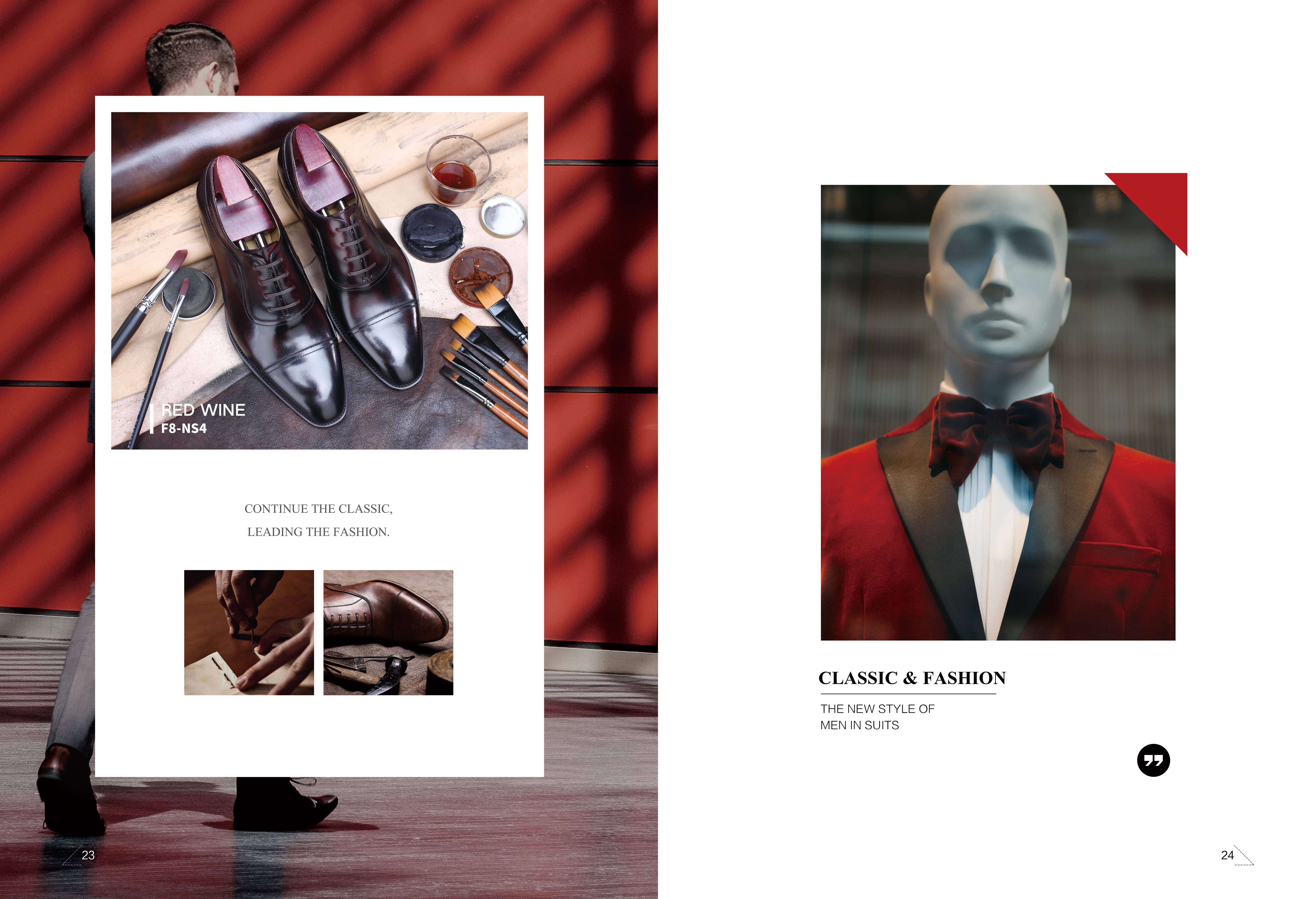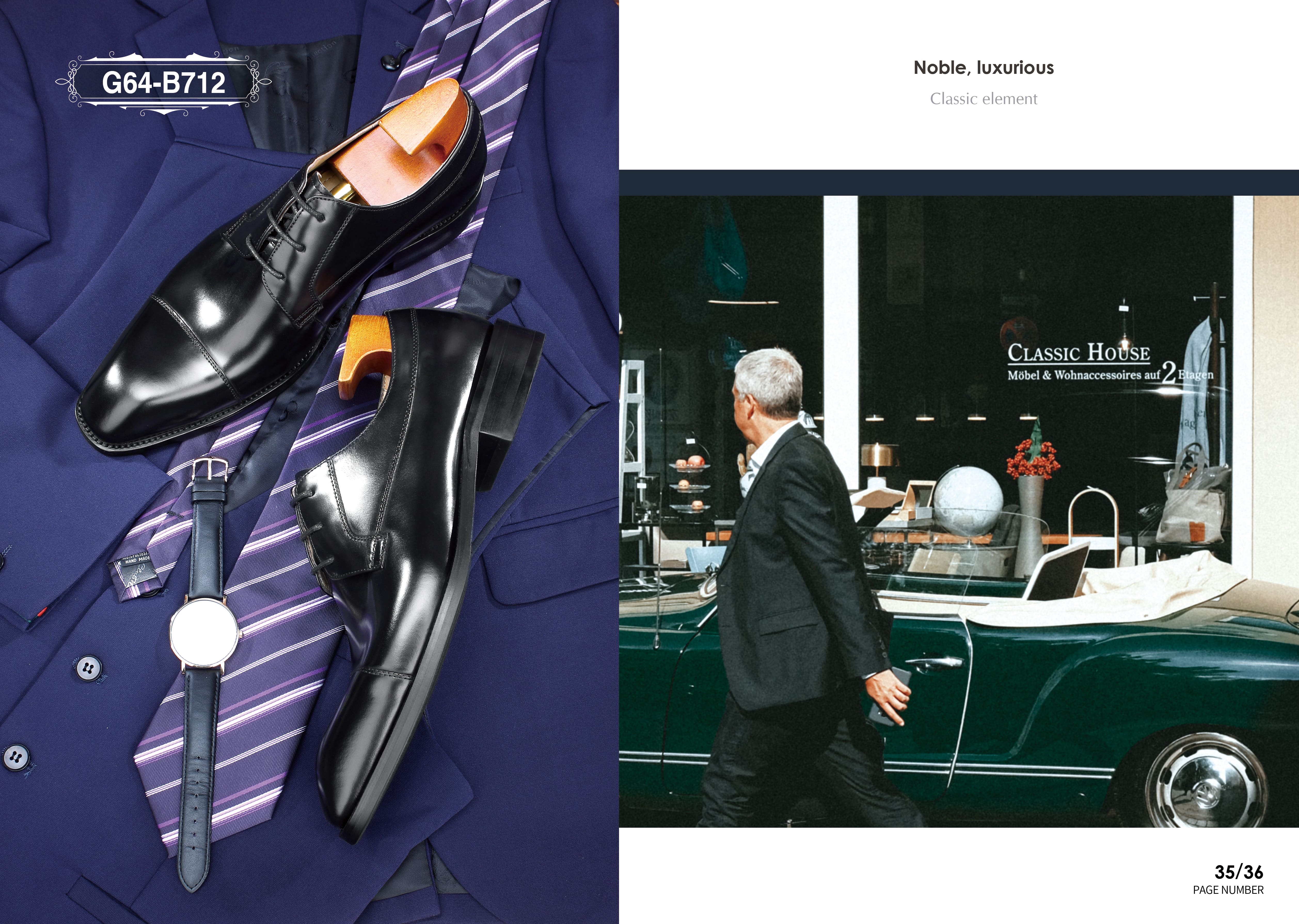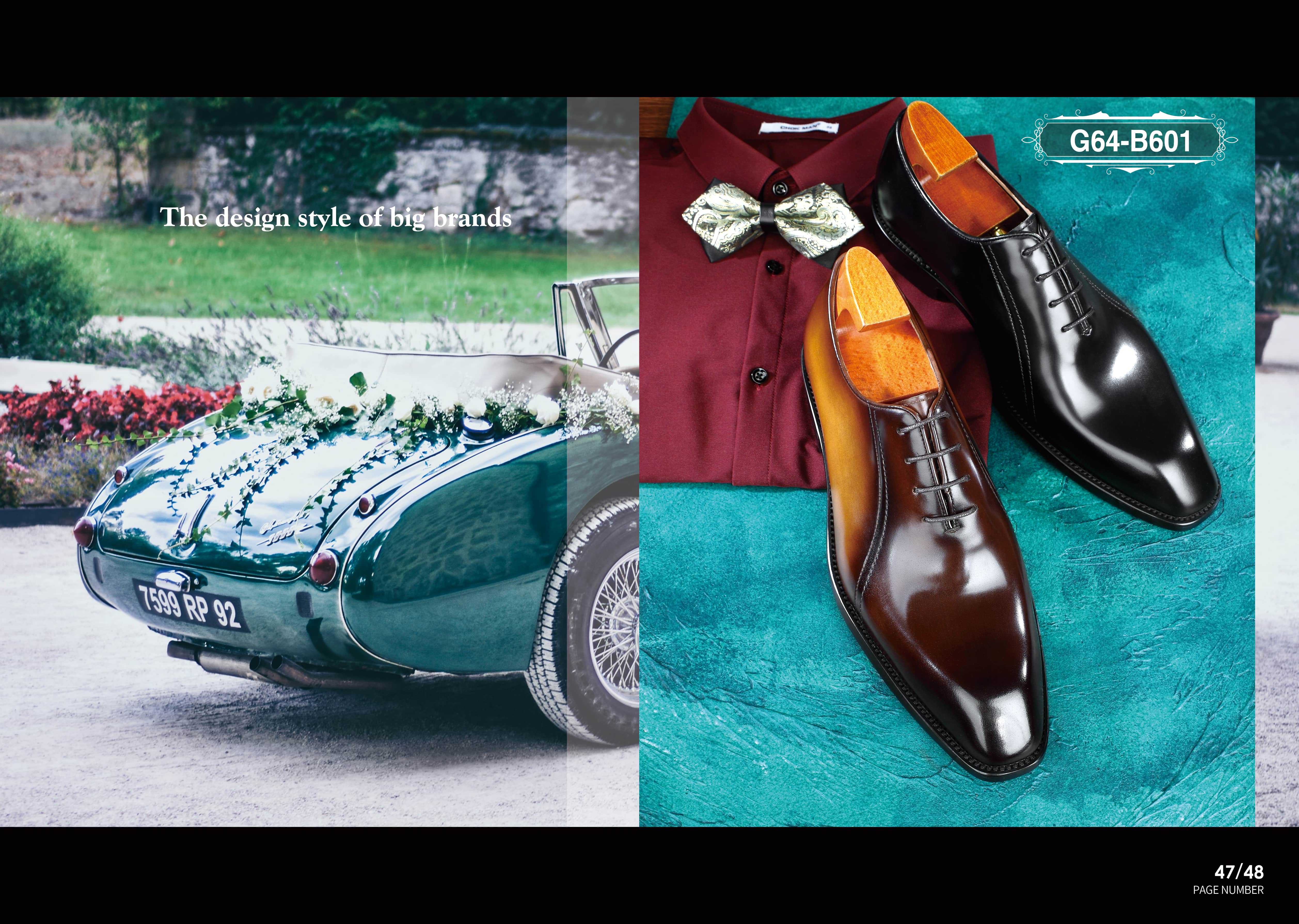





Why Breathable Leather Lining in Men's Shoes Is Essential for Comfort and Foot Health
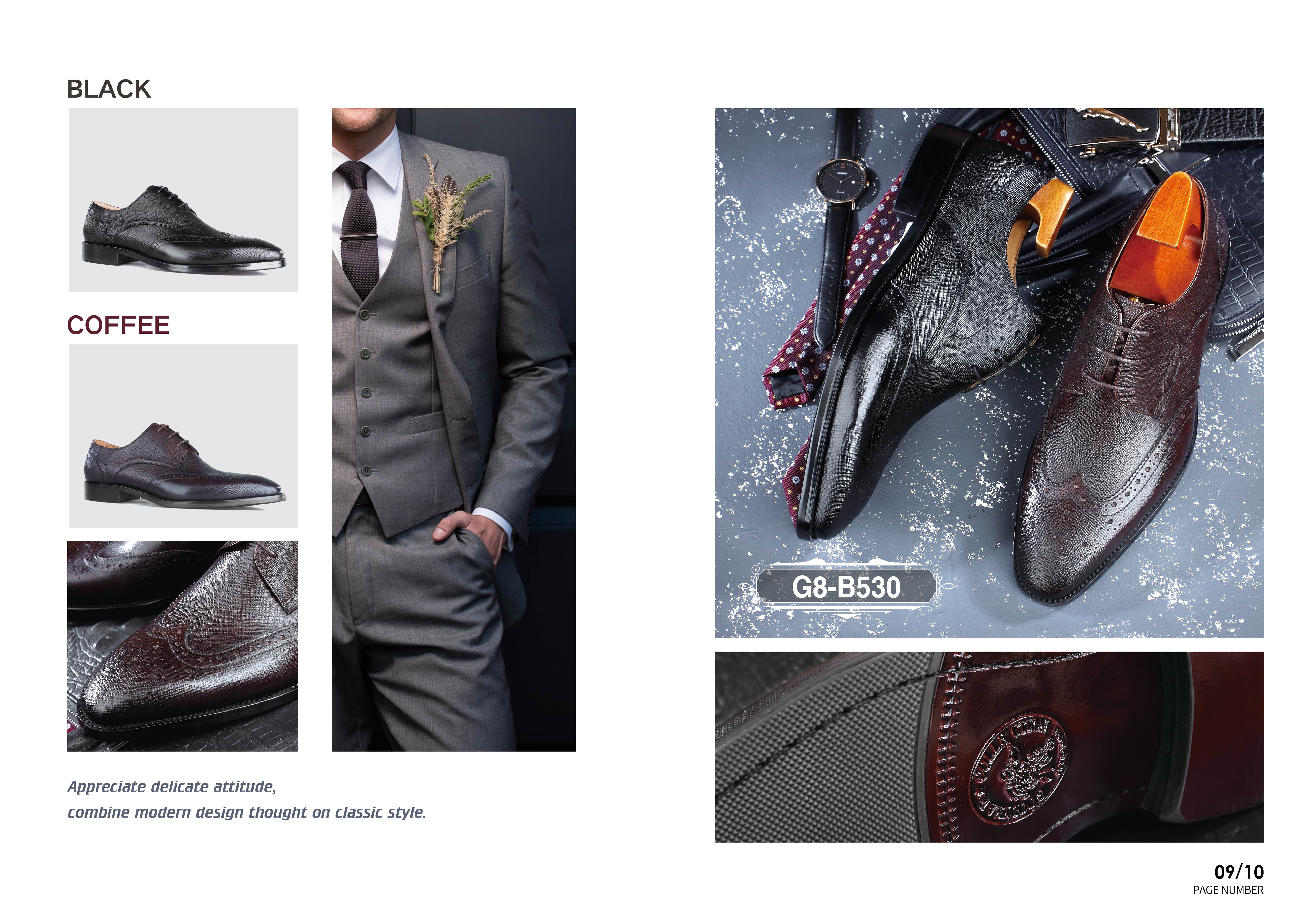
The Importance of Breathable Leather Lining
Breathable leather lining is a critical feature in men's shoes that directly impacts comfort and foot health. Unlike synthetic linings that trap moisture, natural leather allows air to circulate, keeping feet dry and reducing the risk of blisters, fungal infections, and unpleasant odors. A breathable lining also helps regulate temperature, making shoes suitable for both warm and cool climates. Investing in shoes with quality leather lining can significantly enhance your daily wear experience, especially if you spend long hours on your feet.
How Breathable Leather Works
Leather is a porous material that naturally absorbs and releases moisture. When used as a lining, it wicks sweat away from the skin and allows it to evaporate through the shoe's upper. This process keeps the interior environment balanced, preventing the buildup of bacteria that cause odor. Full-grain or top-grain leather linings are the most effective, as they retain the natural fiber structure. In contrast, bonded or corrected leather may have coatings that reduce breathability. Always check the shoe's label or description to ensure the lining is genuine, breathable leather.
Benefits Beyond Comfort
Beyond immediate comfort, breathable leather lining offers long-term advantages. Shoes with good breathability last longer because moisture damage is minimized. Leather linings also mold to the shape of your foot over time, providing a custom fit that enhances support. For men with active lifestyles or those prone to sweaty feet, this feature can prevent foot conditions like athlete's foot and plantar fasciitis. Additionally, breathable shoes are more hygienic, reducing the need for frequent washing or deodorizing.
Choosing the Right Pair
When shopping for men's shoes with breathable leather lining, look for key indicators such as the material composition listed on the product page. Genuine leather lining is often mentioned explicitly. Also, consider the shoe's construction – a Goodyear welt or Blake stitch can enhance breathability by allowing air to circulate through the sole. For dress shoes, opt for lined calfskin; for casual or athletic styles, look for unlined or partially lined leather designs. Don't forget to prioritize fit – even the best lining won't help if the shoe is too tight.
Care and Maintenance
To preserve the breathability of leather lining, avoid excessive moisture. Use shoe trees to maintain shape and absorb moisture after each wear. Clean the lining occasionally with a damp cloth and mild soap, then air dry away from direct heat. Condition the leather every few months to keep it supple, but avoid over-conditioning, which can clog pores. Rotating shoes between wears allows the lining to fully dry and recover, extending the shoe's life.
Common Questions
1. Is breathable leather lining suitable for all seasons?Yes, breathable leather helps regulate temperature, keeping feet cool in summer and warm in winter by allowing excess heat to escape. However, in extremely wet conditions, you may need additional waterproofing measures.
2. How can I tell if the lining is genuine leather?Check the product description for terms like "full-grain leather lining" or "leather lined." You can also test by pressing your thumb into the lining – genuine leather will have slight grain and flexibility, while synthetic will feel plastic-like.
3. Does breathable leather lining prevent odor completely?It significantly reduces odor by controlling moisture, but no material can prevent it entirely. To minimize smell, wear moisture-wicking socks, use shoe deodorizers, and allow shoes to dry fully between wears.
4. Can breathable leather lining be replaced?While possible, it's not common. Replacing a lining is a complex process best done by a professional cobbler and may cost as much as a new shoe. Proper care is the best way to extend the life of the original lining.
5. Are there vegan alternatives that offer similar breathability?Some microfiber or bamboo-based linings claim breathability, but they rarely match the moisture management and durability of genuine leather. For best results, stick with traditional leather if breathability is a priority.