




The Ultimate Guide: Leather Soled vs Rubber Soled Dress Shoes
Introduction to Sole Materials
When it comes to dress shoes, the sole is often overlooked, but it plays a critical role in comfort, longevity, and overall performance. The two most common materials are leather and rubber. Each has distinct advantages and drawbacks, and your choice should align with your lifestyle, climate, and intended use. In this guide, we’ll break down the differences between leather soled and rubber soled dress shoes, covering everything from style to practicality.
Style and Formality
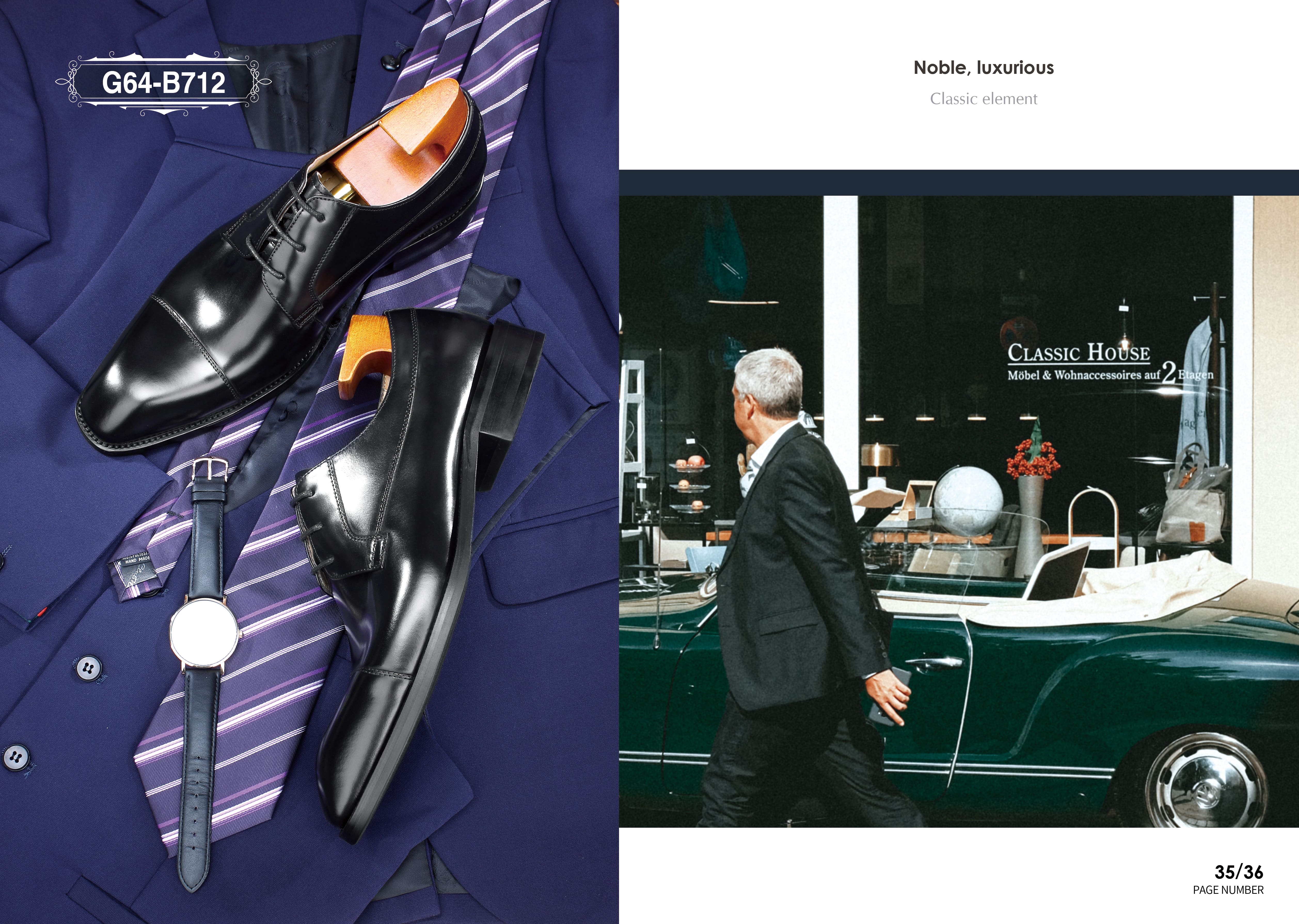
Leather soles are the traditional choice for formal footwear. They are sleek, thin, and provide a classic look that is synonymous with high-end dress shoes. Leather soles are often found on oxfords, derbies, and loafers meant for black-tie events or business formal settings. The smooth finish of leather allows for a polished appearance that complements fine suits. On the other hand, rubber soles tend to be thicker and more casual. While modern rubber soles have become sleeker, they still convey a more relaxed vibe, making them suitable for business casual or smart casual occasions. If you prioritize formal aesthetics, leather soles are the way to go.
Comfort and Cushioning
Comfort is where rubber soles shine. Rubber provides excellent shock absorption and cushioning, reducing fatigue during long walks or standing periods. Many rubber soles incorporate technologies like air pockets or gel inserts for added comfort. In contrast, leather soles are hard and unforgiving. They offer minimal cushioning, which can lead to foot discomfort over time. However, leather molds to the shape of your foot with wear, creating a custom fit. If you spend most of your day on your feet, rubber soles are likely more comfortable. For occasional wear, leather soles can be acceptable with proper insoles.
Durability and Longevity
Leather soles are surprisingly durable when maintained properly. High-quality leather can last for years, especially if you resole them periodically. However, leather is susceptible to water damage and wears down quickly on rough surfaces. Rubber soles, on the other hand, are highly resistant to water and abrasion. They last longer in wet conditions and on concrete. The trade-off is that rubber soles are harder to resole due to their attachment methods; many are cemented on, making replacement difficult. If you need a sole that withstands daily wear and tear, rubber is more practical. For longevity with proper care, leather can be a good investment.
Traction and Slip Resistance
Rubber soles offer superior traction on various surfaces, especially wet or slippery floors. The textured tread patterns provide grip that prevents slips. This makes rubber soles ideal for rainy climates or environments like hospitals and restaurants. Leather soles are notoriously slippery on smooth surfaces like marble or wet pavement. While some leather soles have slight texture, they don't compare to rubber. If you often walk on slick floors, rubber soles are safer. For carpeted offices or dry conditions, leather soles can suffice.
Climate Considerations
Your local climate heavily influences sole choice. Leather soles are unsuitable for wet or snowy weather as they absorb moisture, warp, and can rot. They also offer little insulation against cold. Rubber soles are waterproof and provide better insulation, making them ideal for rain, snow, or cold environments. In hot, dry climates, leather soles breathe better and can keep your feet cooler. However, extreme heat can cause rubber soles to degrade faster. For year-round versatility, rubber soles are more practical unless you live in an arid region.
Maintenance and Longevity
Leather soles require more upkeep. They need to be kept dry, brushed clean, and may require occasional conditioning. When the sole wears thin, a cobbler can replace it, extending the shoe’s life. Rubber soles are low-maintenance; just wipe them clean. However, once the tread wears down, replacement is often not cost-effective, leading to shoe disposal. For those who enjoy traditional shoe care, leather soles allow for artisanal maintenance. For convenience, rubber soles win.
Cost and Value
In general, leather-soled shoes are more expensive due to the material and craftsmanship. However, they can be resoled multiple times, potentially offering better long-term value. Rubber-soled shoes are typically less expensive upfront, but their non-replaceable soles can make them disposable. If you plan to keep shoes for years and invest in upkeep, leather soles may save money over time. For budget-conscious buyers, rubber soles offer immediate affordability.
Common Questions
Can I wear leather soled shoes in the rain?
It's not recommended. Leather soles absorb water, causing damage and increasing slipperiness. If you must, consider adding rubber sole protectors.
How long do rubber soles last?
It depends on usage, but typically 1-2 years with regular wear. High-quality rubber can last longer, but the tread will eventually wear smooth.
Are leather soles more formal than rubber?
Yes, traditionally leather soles are associated with formal footwear. However, many modern rubber soles mimic leather's appearance and are acceptable in business settings.
Can I resole rubber soled dress shoes?
Some cobblers can resole certain rubber soles, but it's more difficult and expensive than leather. Many rubber soles are cemented and not designed for replacement.
Which sole is better for standing all day?
Rubber soles provide better cushioning and support, making them more comfortable for prolonged standing.