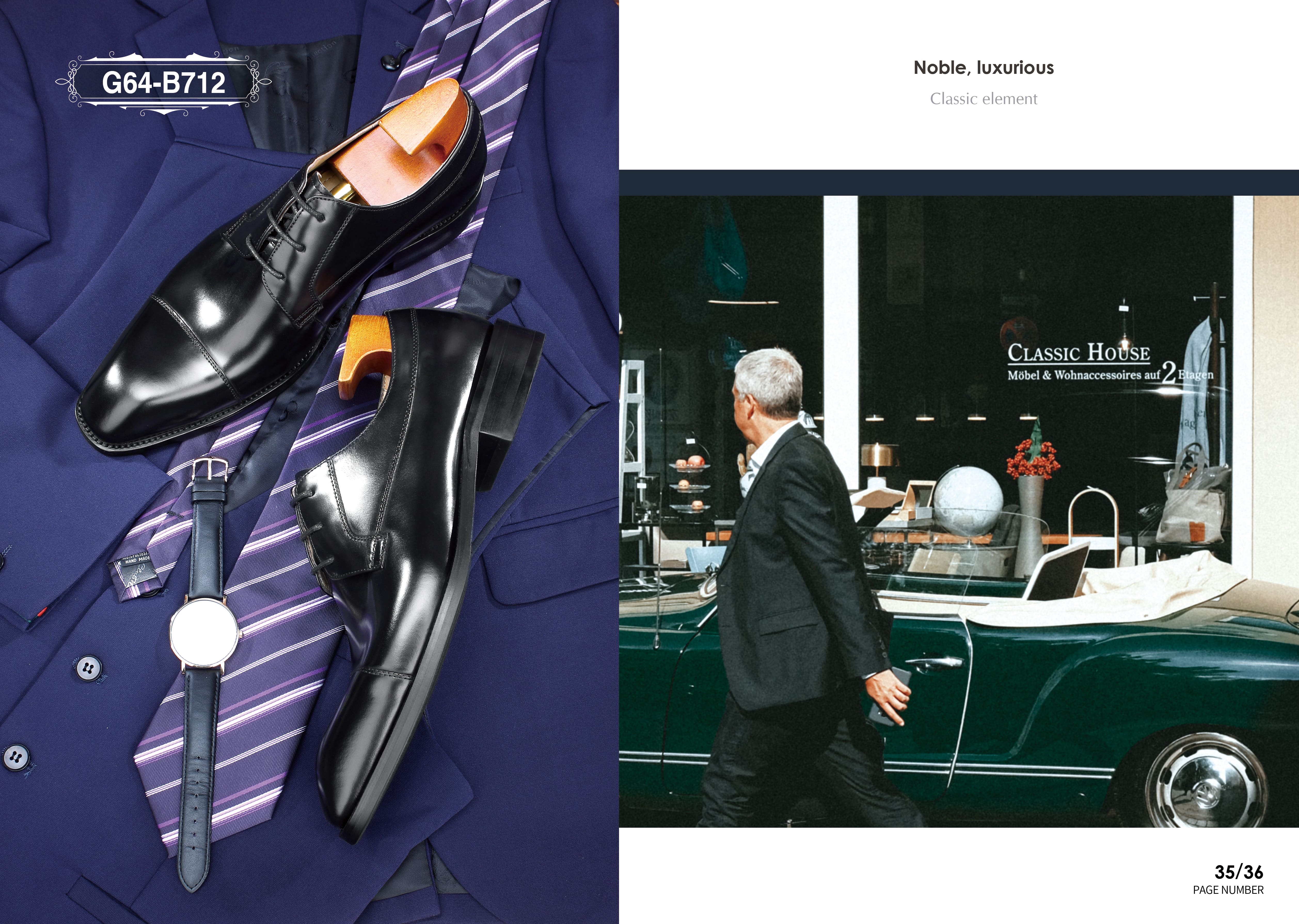





The Timeless Appeal of Vegetable Tanned Leather Shoes for Men: Quality, Care, and Style

What Are Vegetable Tanned Leather Shoes?
Vegetable tanned leather shoes for men are crafted using one of the oldest leather-making processes—tanning with natural tannins from tree bark, leaves, and fruits. Unlike chrome-tanned leather, which uses chemicals, this method results in a sturdy, breathable material that develops a rich patina over time. Each pair tells a story as the leather darkens and softens with wear, making them a favorite among those who appreciate quality craftsmanship.
Why Choose Vegetable Tanned Leather?
Choosing vegetable tanned leather shoes means investing in durability and sustainability. This type of leather is biodegradable and less harmful to the environment. It also molds to your feet, offering superior comfort. The natural tanning process gives the leather a firm structure, ideal for dress shoes, boots, and casual loafers. Many men prefer them for their classic look and ability to age gracefully.
How to Identify Authentic Vegetable Tanned Leather
Look for natural markings like scars or grain variations—imperfections that prove it's genuine. Vegetable tanned leather feels firm but flexible, with a matte finish. When you bend it, it shows a lighter crease. Unlike synthetic or chrome-tanned leather, it smells earthy and woody. Check the edges: They should be raw or burnished, not painted. Authentic pairs often come from reputable shoemakers who pride themselves on traditional techniques.
Caring for Your Vegetable Tanned Leather Shoes
Proper care extends the life of your shoes. Clean them regularly with a soft brush to remove dirt. Use a damp cloth for light stains, but avoid soaking the leather. Condition them every few months with a natural leather balm or oil to keep the leather supple. Polish sparingly—vegetable tanned leather absorbs polish differently, and too much can darken it unevenly. Store them with shoe trees to maintain shape and absorb moisture. Avoid extreme heat or direct sunlight, which can dry out the leather.
Styling Vegetable Tanned Leather Shoes
These shoes suit a range of looks. Oxblood or brown dress shoes pair well with tailored suits for a sophisticated edge. Casual boots in natural or tan hues complement denim and chinos, perfect for smart-casual outfits. Loafers in vegetable tanned leather add a touch of rustic charm to summer linens. The patina that develops over time makes each pair unique, so wear them often to develop a personalized look.
Top Brands for Vegetable Tanned Leather Shoes
Several brands specialize in vegetable tanned footwear. Red Wing offers iconic boots that age beautifully. Allen Edmonds uses premium vegetable tanned leather for their dress shoes. Loake from the UK provides classic Oxfords and Derbys. Meermin and Carmina are excellent Spanish options for artisanal quality. For budget-friendly choices, look at Thursday Boots or Grenson. Always read reviews to ensure the leather quality matches your expectations.
Common Myths About Vegetable Tanned Leather
Some believe it's too stiff or hard to break in. While initially firm, it softens with wear and molds to your feet. Another myth is that it's only for formal wear—many casual styles exist. Also, vegetable tanned leather is not necessarily more expensive than chrome-tanned, though high-quality artisanal pairs can cost more. Finally, it's not brittle; with proper care, it lasts for decades.
Frequently Asked Questions
Are vegetable tanned leather shoes waterproof?They are water-resistant to some extent, but not fully waterproof. Use a waterproofing spray designed for natural leather to protect them from rain and stains.
How long do they take to break in?It varies, but typically after 10-20 wears they become comfortable. Wear them for short periods initially to avoid blisters, and use thick socks.
Can I resole vegetable tanned leather shoes?Yes, most high-quality shoes with Goodyear welt construction can be resoled multiple times, extending their life significantly.
How do I prevent water stains?Let the shoes dry naturally away from heat, then brush them. Apply a conditioner after they are fully dry to restore oils. Avoid salt in winter.