




Classic vs. Contemporary Styles: A Guide to Timeless Elegance and Modern Innovation
Understanding Classic Styles
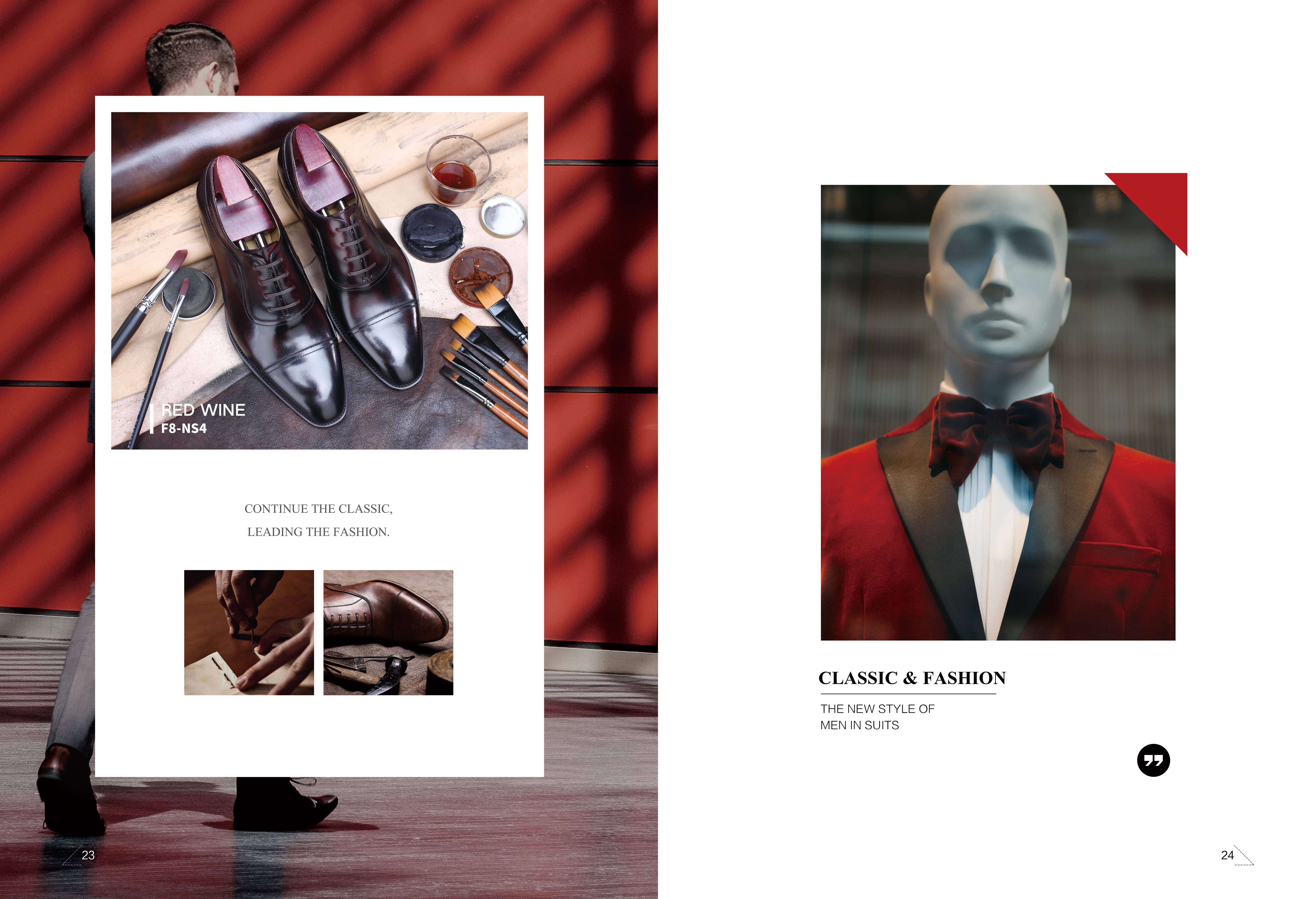
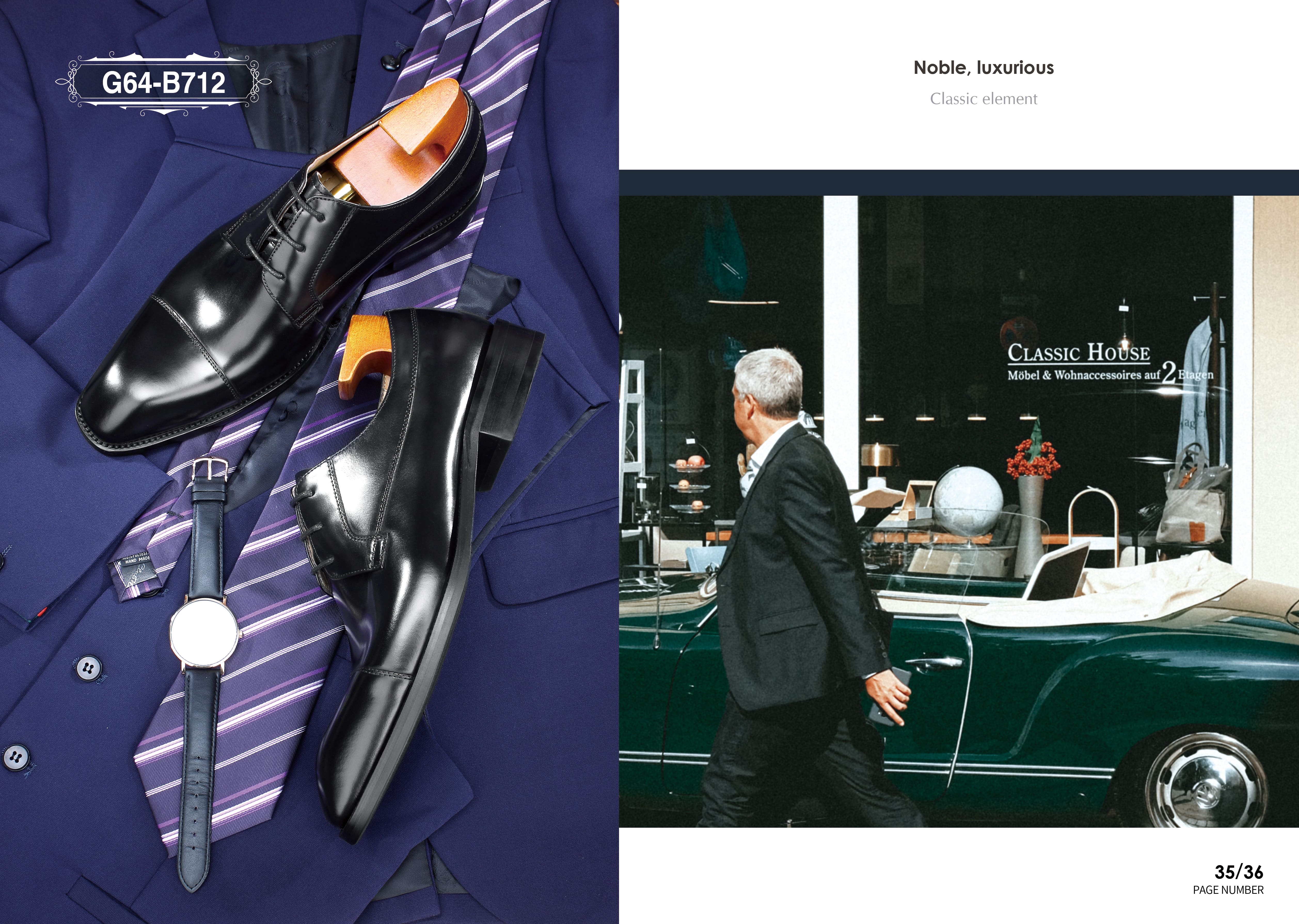
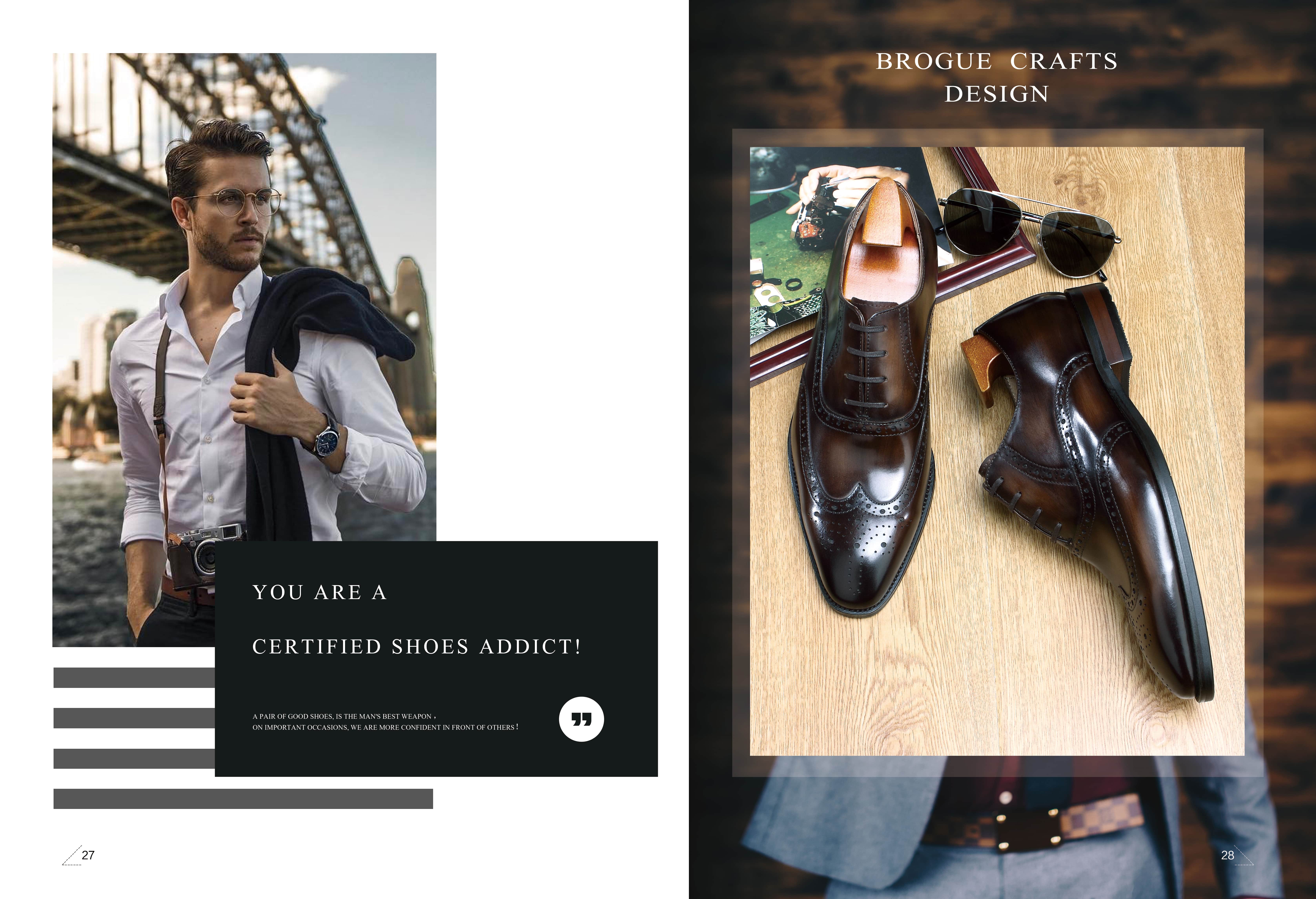
Classic styles are rooted in historical periods, such as the Renaissance, Baroque, or Victorian eras, and are characterized by ornate details, symmetry, and rich materials. In interior design, this might include furniture with intricate carvings, heavy drapes, and antique finishes. In fashion, classic styles often feature tailored suits, little black dresses, and timeless accessories like pearls. The appeal of classic styles lies in their ability to convey elegance and sophistication, often associated with a sense of permanence and heritage. For example, a classic home might use mahogany wood and silk fabrics, creating a warm, inviting atmosphere that stands the test of time.
Exploring Contemporary Styles
Contemporary styles, on the other hand, are defined by their focus on the present and future, emphasizing clean lines, simplicity, and functionality. In modern architecture, this can be seen in open floor plans, large windows, and the use of materials like glass and steel. In fashion, contemporary styles might include minimalist clothing, bold colors, and innovative fabrics. The key advantage of contemporary design is its adaptability and relevance to current lifestyles, often promoting efficiency and a sense of freshness. For instance, a contemporary office space might incorporate ergonomic furniture and smart technology to enhance productivity and comfort.
Key Differences and Practical Applications
When comparing classic and contemporary styles, several distinctions emerge. Classic styles tend to be more formal and decorative, while contemporary styles are often casual and understated. In terms of color palettes, classic designs favor neutral tones and deep hues, whereas contemporary designs may experiment with vibrant colors or monochromatic schemes. Practically, choosing between these styles depends on personal preference, context, and goals. For a home renovation, a classic style might suit a historic building to preserve its character, while a contemporary style could be ideal for a new construction aiming for energy efficiency. In business settings, classic styles can convey trust and tradition, while contemporary styles might signal innovation and forward-thinking.
Blending Classic and Contemporary Elements
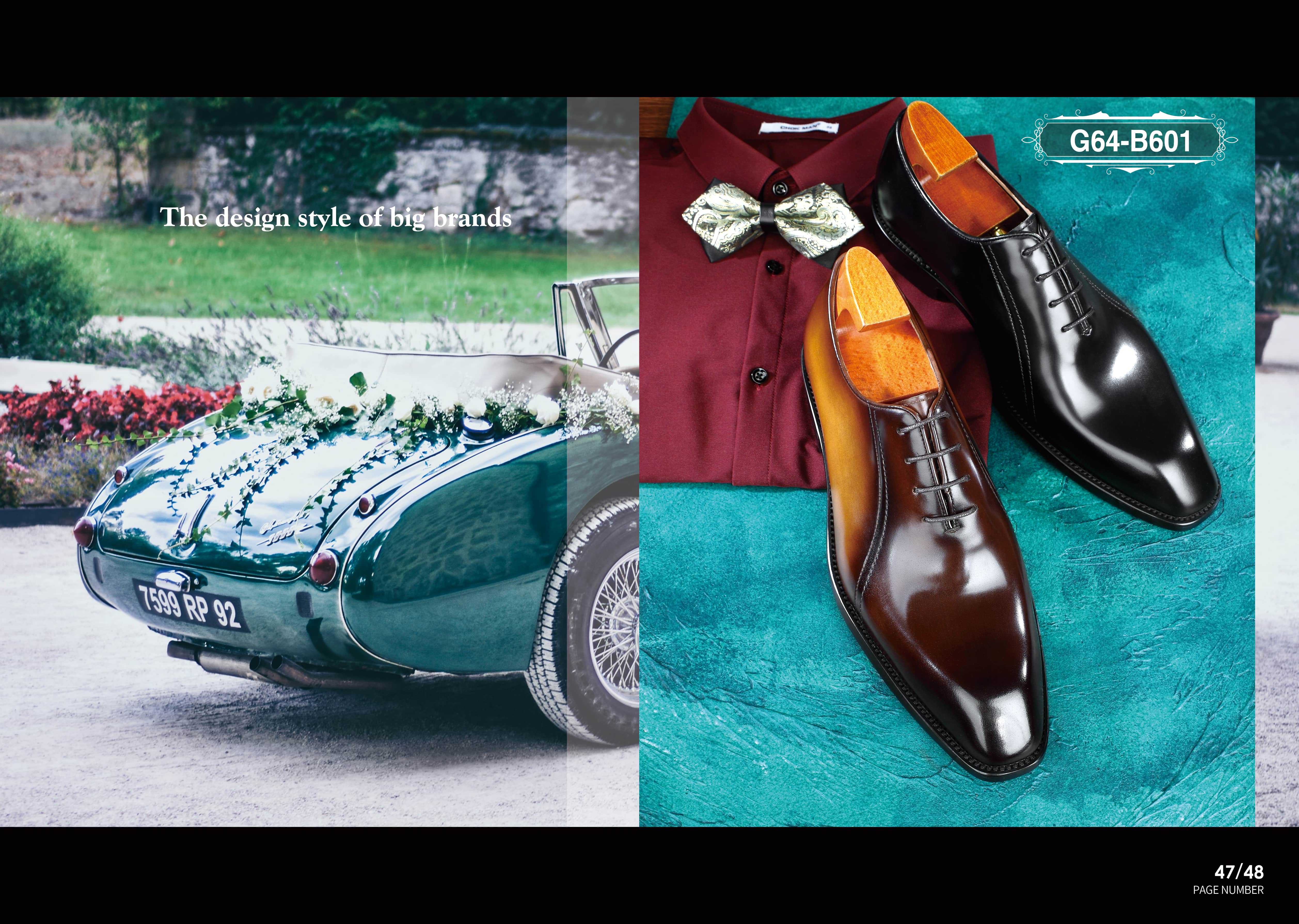
One of the most effective approaches in design is to blend classic and contemporary elements to create a harmonious and unique space. This can be achieved by mixing old and new pieces, such as pairing a vintage chandelier with modern furniture, or using classic architectural details in a minimalist setting. In fashion, this might involve wearing a classic trench coat with contemporary sneakers. The key is to balance the two styles to avoid clutter or inconsistency. For example, in a living room, you could use a classic sofa as a focal point and complement it with contemporary art and lighting. This fusion not only adds visual interest but also allows for personal expression and versatility.
Common Questions
What are the main advantages of classic styles?
Classic styles offer timeless appeal, durability, and a sense of history. They are often associated with quality craftsmanship and can increase the value of properties or wardrobes over time.
How do contemporary styles adapt to changing trends?
Contemporary styles are inherently flexible, as they evolve with current innovations and societal shifts. They often incorporate sustainable materials and technology, making them relevant to modern needs.
Can I mix classic and contemporary styles without it looking mismatched?
Yes, by focusing on a cohesive color scheme or using transitional pieces, you can successfully blend these styles. Start with a neutral base and add accents from both eras to create balance.
Which style is better for resale value in real estate?
It depends on the market and location. Classic styles may appeal to buyers seeking character, while contemporary styles might attract those looking for modern amenities. A blend can often cater to a wider audience.
How do I decide which style to choose for my project?
Consider your personal taste, the purpose of the space or item, and practical factors like budget and maintenance. Researching examples and consulting professionals can also help guide your decision.