




The Enduring Value of Handmade Shoes: How Craftsmanship Appreciates Over Time
Introduction to Handmade Shoes
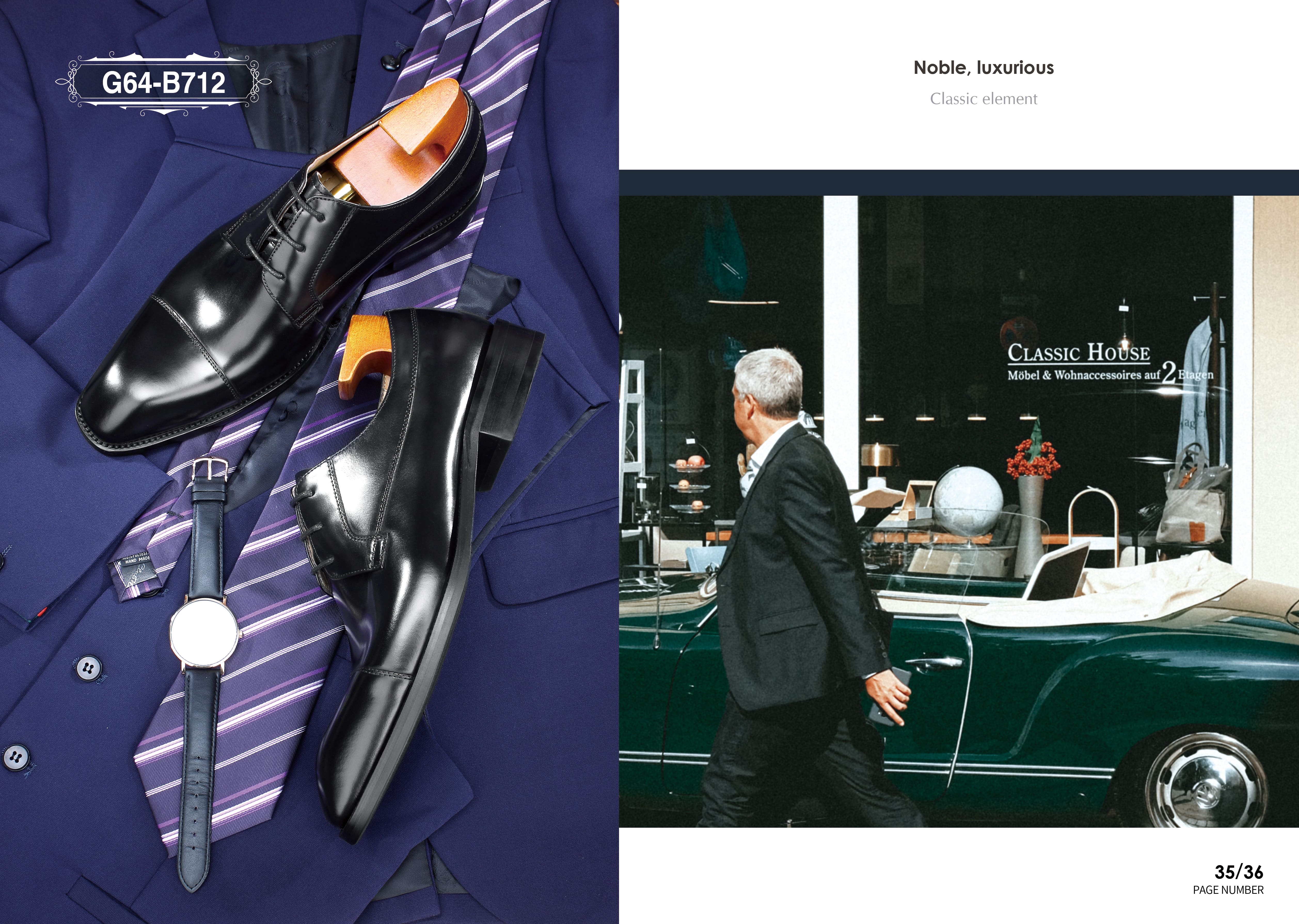
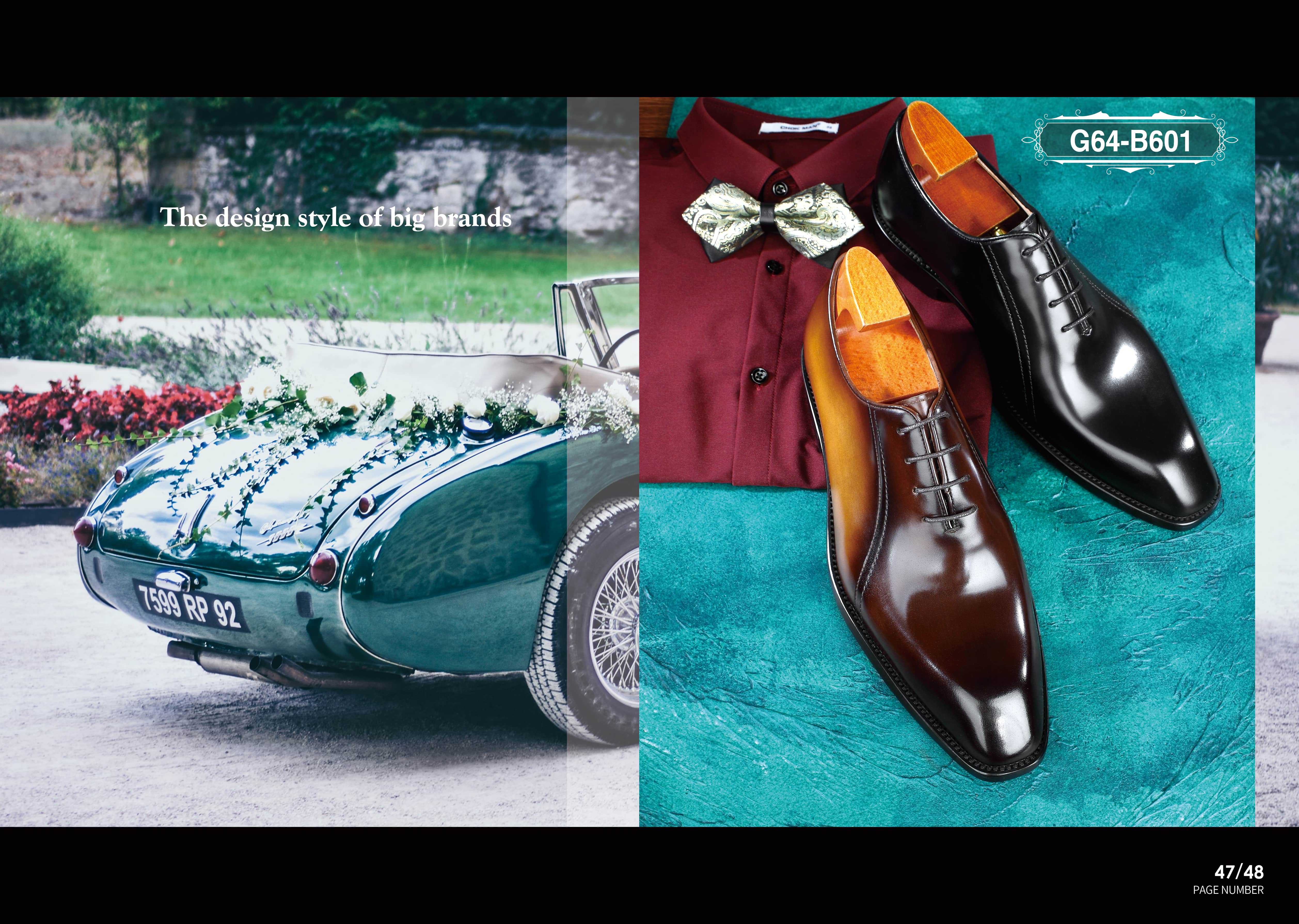
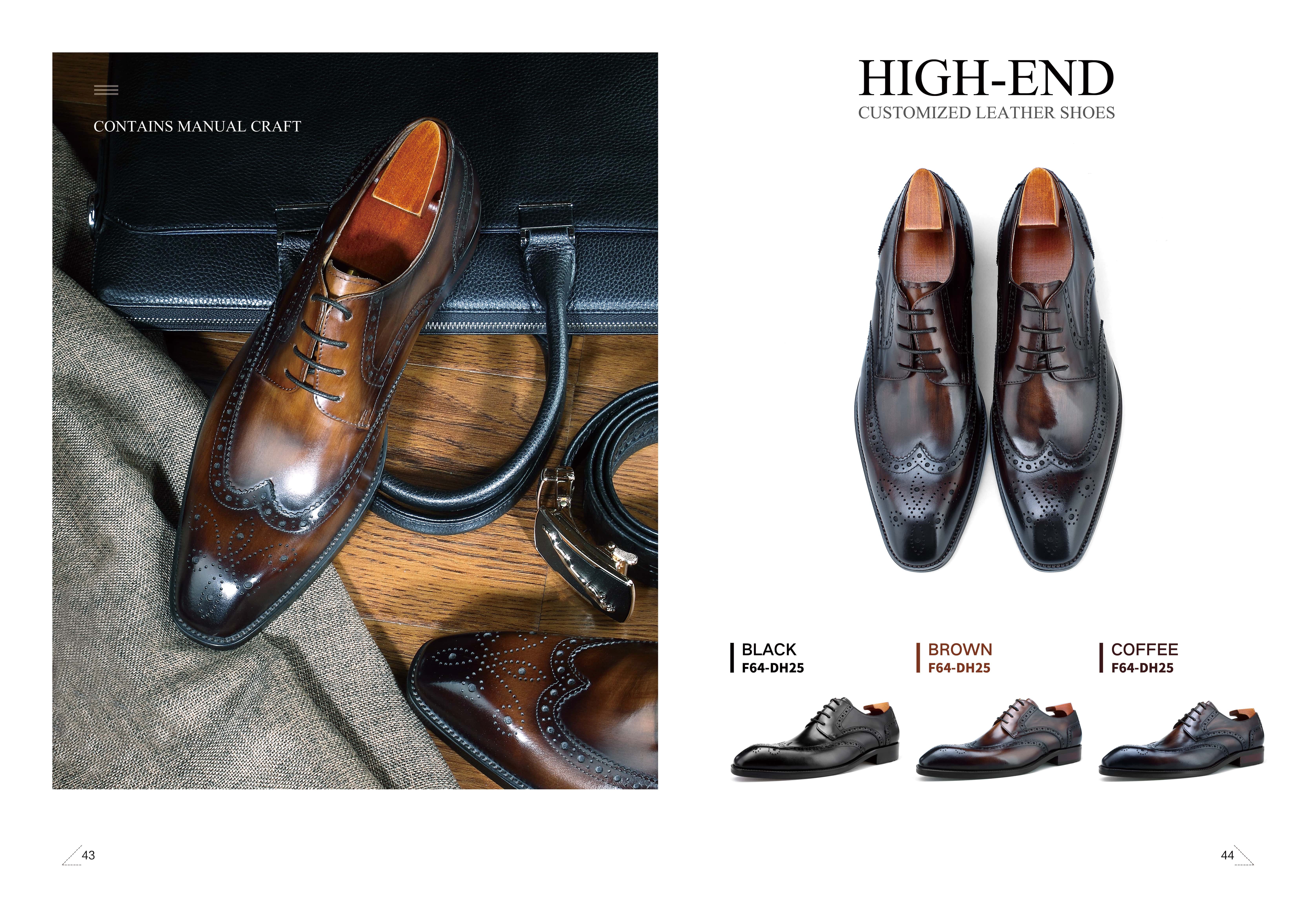
Handmade shoes are crafted by skilled artisans using traditional techniques, often involving meticulous attention to detail and high-quality materials. Unlike mass-produced footwear, each pair is unique, reflecting the maker's expertise and the wearer's individual style. This process not only ensures superior comfort and fit but also contributes to their long-term value, as they are built to last for decades. Over time, these shoes develop a patina and character that cannot be replicated, making them cherished possessions that appreciate in both monetary and sentimental worth.
Factors That Enhance Value Over Time
Several key factors contribute to the increasing value of handmade shoes as they age. First, the quality of materials plays a crucial role; premium leathers, such as full-grain or shell cordovan, are more durable and develop a beautiful patina with wear, enhancing their aesthetic appeal. Second, the craftsmanship and construction methods, like Goodyear welt or Blake stitch, allow for easy resoling and repairs, extending the shoe's lifespan and maintaining its structural integrity. Third, rarity and uniqueness add value, as limited editions or custom designs become more sought-after over the years. Finally, the personal history associated with the shoes—memories of special occasions or daily wear—can make them irreplaceable, boosting their emotional worth.
Practical Benefits of Investing in Handmade Shoes
Investing in handmade shoes offers numerous practical advantages beyond their aesthetic value. They provide superior comfort and support, as they are often made to measure or adjusted to fit the wearer's feet perfectly, reducing discomfort and potential foot problems. Additionally, their durability means they require less frequent replacement, saving money in the long run compared to cheaper, disposable alternatives. The ability to repair and resole them also makes them a sustainable choice, aligning with eco-friendly practices. For collectors or enthusiasts, handmade shoes can even become valuable assets, with some vintage pairs fetching high prices in resale markets due to their rarity and condition.
Common Questions About Handmade Shoes
How do handmade shoes compare to mass-produced ones in terms of cost?
Handmade shoes are typically more expensive upfront due to the labor-intensive process and premium materials, but their long-term value often outweighs the initial cost. While mass-produced shoes may be cheaper initially, they tend to wear out quickly and require frequent replacement, making handmade shoes a more cost-effective investment over time.
Can handmade shoes be repaired easily?
Yes, one of the key benefits of handmade shoes is their repairability. Construction methods like Goodyear welt allow cobblers to easily replace soles, heels, and other parts, extending the shoe's life for many years. This not only saves money but also preserves the shoe's original character and fit.
Do handmade shoes require special care?
Handmade shoes do benefit from regular maintenance to retain their value. This includes cleaning, polishing, and using shoe trees to maintain shape. Proper care helps prevent damage and enhances the patina, ensuring they look better with age and remain functional for longer periods.