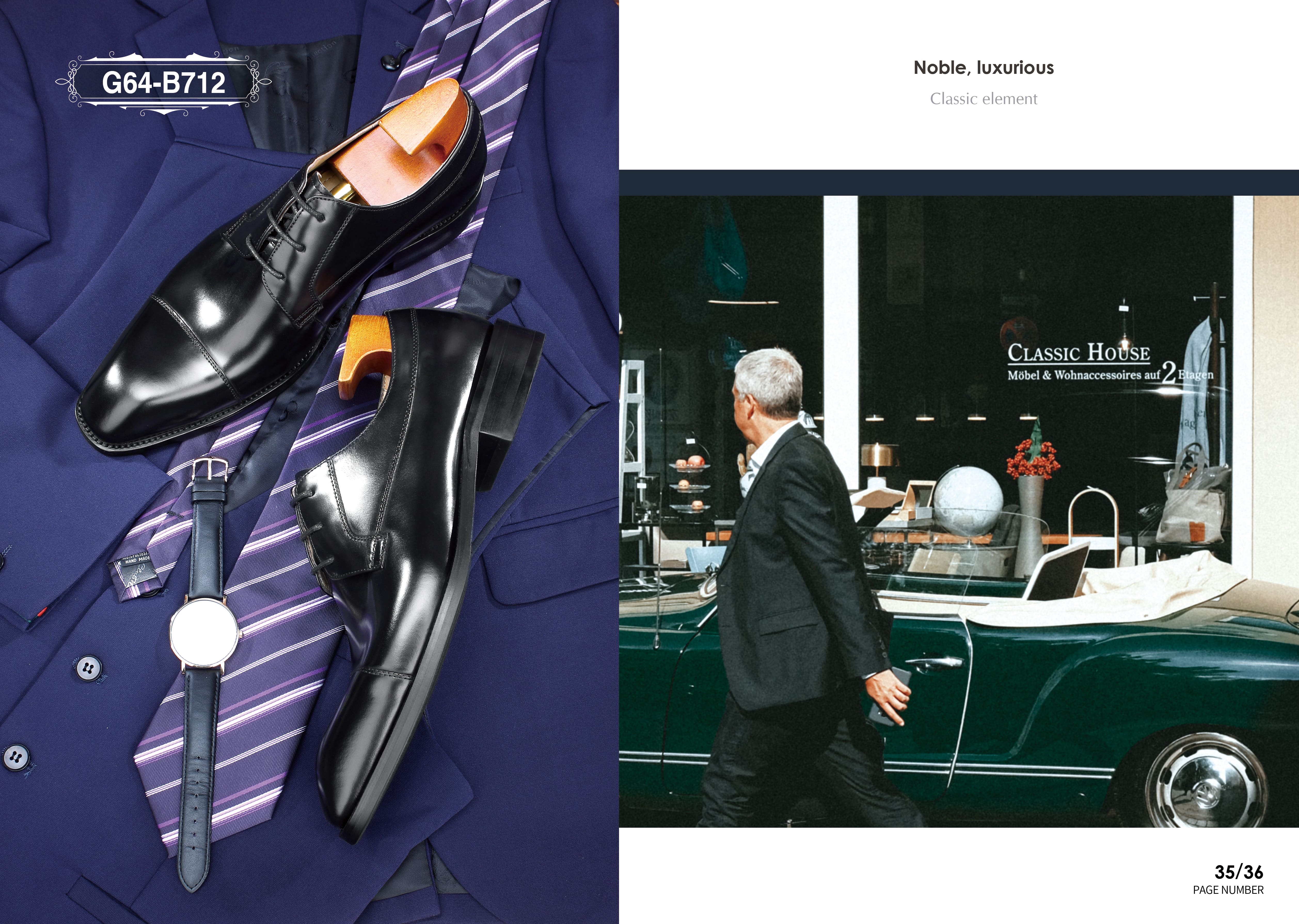





The Ultimate Guide to Maintaining Goodyear Welted Shoes: Tips for Longevity and Style
Introduction to Goodyear Welted Shoes
Goodyear welted shoes are a hallmark of fine craftsmanship, featuring a construction method that involves stitching a welt—a strip of leather or rubber—between the upper and the sole. This technique, named after Charles Goodyear Jr., who invented the machinery for it in the 19th century, allows for easy resoling and enhances durability. Unlike glued or cemented shoes, Goodyear welted ones can withstand years of wear with proper care, making them a worthwhile investment for any wardrobe. Understanding the basics of this construction is the first step toward effective maintenance, as it highlights why these shoes require specific attention to detail.
Essential Cleaning and Conditioning
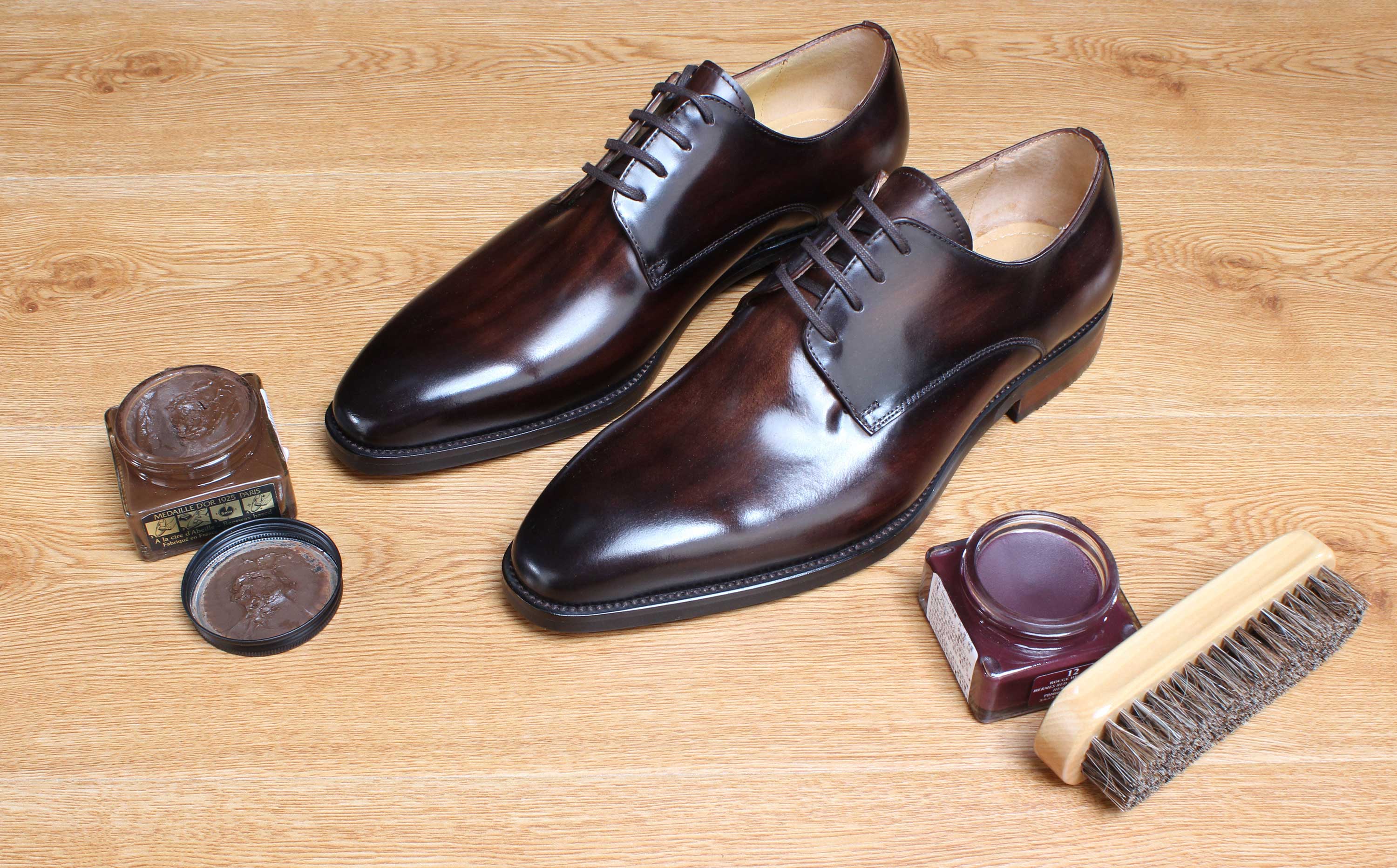
Regular cleaning is crucial for maintaining the appearance and longevity of Goodyear welted shoes. Start by removing surface dirt with a soft brush or damp cloth, focusing on the upper leather and welt area. Avoid harsh chemicals that can damage the leather; instead, use a mild soap or specialized leather cleaner. After cleaning, apply a high-quality leather conditioner to keep the material supple and prevent cracking. Conditioning should be done every few months, or more frequently if the shoes are exposed to harsh conditions. This step not only preserves the leather but also enhances its natural luster, ensuring your shoes look polished and well-cared-for over time.
Proper Storage and Protection
How you store your Goodyear welted shoes can significantly impact their lifespan. Always use shoe trees made of cedar or other absorbent materials to maintain shape and absorb moisture. Store them in a cool, dry place away from direct sunlight, which can fade the leather. For added protection, consider using shoe bags or boxes to prevent dust accumulation. Rotating your shoes is another key practice; wearing the same pair daily can lead to excessive wear and tear. By alternating between different pairs, you allow each shoe to air out and recover, extending their overall durability and comfort.
Resoling and Repair Considerations
One of the biggest advantages of Goodyear welted shoes is their ability to be resoled multiple times. When the soles show signs of wear, such as thinning or holes, it's time to seek professional resoling. A skilled cobbler can replace the sole without damaging the welt or upper, often restoring the shoes to near-new condition. Regular inspections are recommended to catch issues early, preventing more extensive damage. Additionally, address minor repairs like loose stitching or scuffs promptly to maintain structural integrity. This proactive approach ensures your shoes remain functional and stylish for decades, making the initial investment pay off in the long run.
Common Questions
How often should I condition my Goodyear welted shoes?Condition your shoes every 3-6 months, depending on usage and climate. In dry or harsh environments, more frequent conditioning may be necessary to prevent leather from drying out.
Can I wear Goodyear welted shoes in wet weather?Yes, but with caution. Use waterproofing sprays or waxes to protect the leather, and always dry them naturally if they get wet. Avoid prolonged exposure to water, as it can damage the welt and stitching over time.
What is the best way to break in new Goodyear welted shoes?Wear them for short periods initially, gradually increasing time as they mold to your feet. Using shoe stretchers or thick socks can help ease the process without causing discomfort.