




The Ultimate Guide to Conditioning Leather: Preserve, Protect, and Perfect Your Leather Goods

Why Conditioning Leather is Crucial
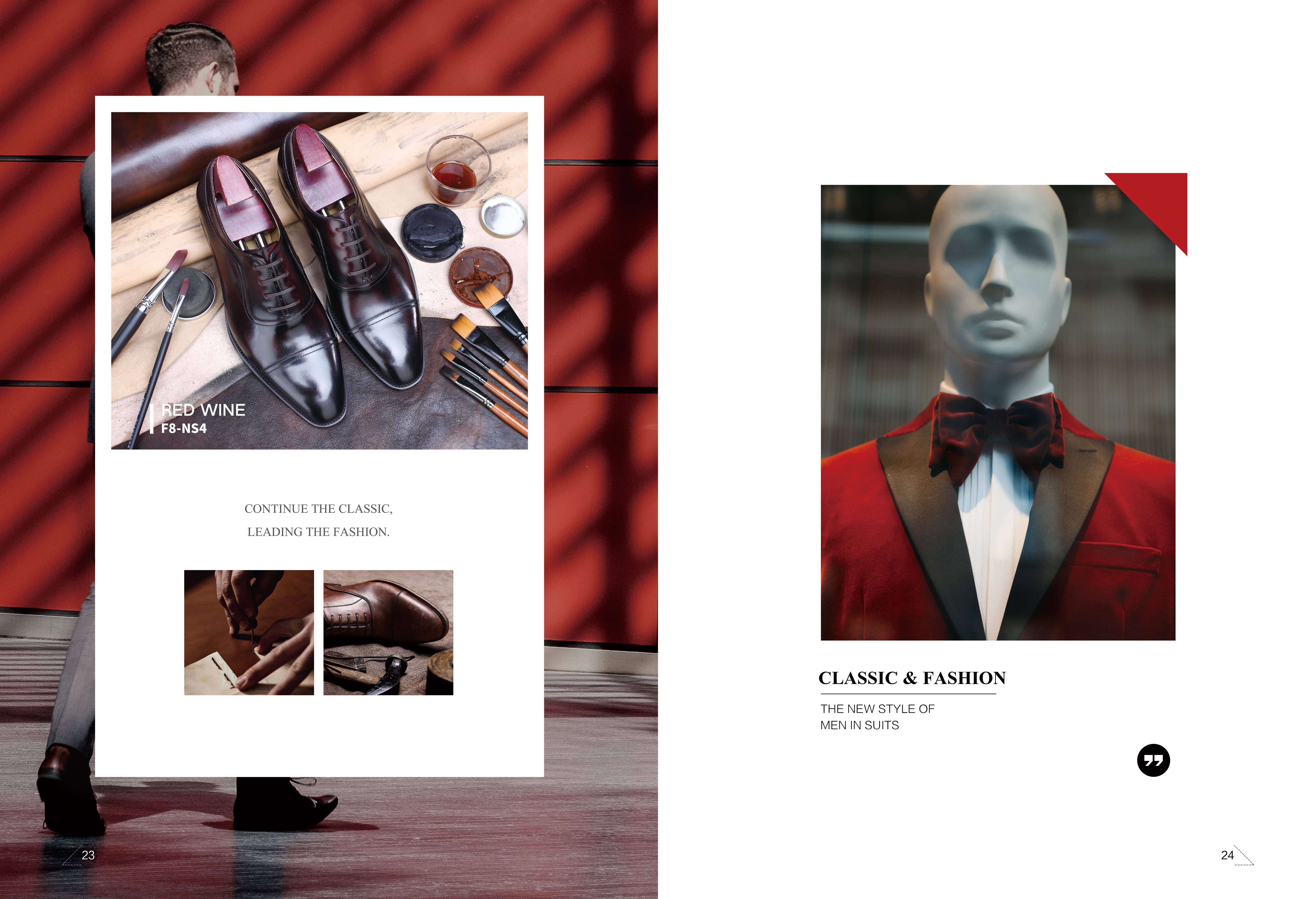
Leather is a natural material made from animal hides, and over time, it can lose its natural oils due to exposure to elements like sunlight, moisture, and daily use. Without proper care, leather can become dry, brittle, and prone to cracks, which not only diminishes its appearance but also shortens its lifespan. Conditioning leather replenishes these lost oils, keeping the material flexible and resistant to damage. Regular conditioning helps maintain the leather's original texture and color, making it an investment in both aesthetics and functionality. For example, a well-conditioned leather jacket can last decades, while neglected ones may deteriorate in just a few years.
How to Condition Leather: A Step-by-Step Process
To condition leather effectively, start by cleaning the item with a soft cloth and a mild leather cleaner to remove dirt and grime. This ensures the conditioner can penetrate deeply. Next, choose a high-quality leather conditioner suitable for your item's type—such as oil-based for heavy-duty use or cream-based for delicate finishes. Apply a small amount evenly using a clean cloth, working in circular motions. Allow it to absorb for 15-30 minutes, then buff off any excess with a dry cloth. Always test the conditioner on a hidden area first to avoid discoloration or damage. Repeat this process every 3-6 months, or more frequently for items in harsh conditions.
Choosing the Right Leather Conditioner
Not all leather conditioners are created equal. For vegetable-tanned leather, which is more porous, opt for natural oils like neatsfoot or mink oil to enhance durability. For chrome-tanned leather, commonly used in fashion items, use conditioners with lanolin or beeswax to add moisture without altering the color. Avoid products with harsh chemicals like silicone, as they can clog pores and cause long-term damage. Read labels carefully and look for conditioners that specify compatibility with your leather type. Brands like Lexol or Bickmore are often recommended by professionals for their balanced formulations.
Common Mistakes to Avoid When Conditioning Leather
One of the biggest errors is over-conditioning, which can saturate the leather and lead to a greasy feel or mold growth. Another mistake is using the wrong type of conditioner, such as applying a heavy oil to a suede item, which can ruin its texture. Never use household products like vinegar or alcohol, as they can strip natural oils and cause discoloration. Additionally, avoid conditioning in direct sunlight or humid environments, as this can affect absorption. Always follow the manufacturer's instructions and store conditioned items in a cool, dry place to maximize benefits.
Benefits of Regular Leather Conditioning
Regular conditioning offers numerous advantages beyond just preventing cracks. It enhances the leather's natural patina, giving it a richer, more aged look that many enthusiasts cherish. Conditioned leather is also more water-resistant, reducing the risk of stains from spills. Moreover, it improves comfort by keeping items like shoes and gloves soft and flexible. Investing time in conditioning can save money in the long run by reducing the need for costly repairs or replacements. For instance, a conditioned leather sofa can withstand daily use without showing signs of wear as quickly.
Frequently Asked Questions
How often should I condition my leather items?
It depends on usage and environment. For frequently used items like shoes or bags, condition every 3-4 months. For less-used items like furniture, once or twice a year is sufficient. In dry climates, you may need to condition more often to combat moisture loss.
Can I condition leather that is already cracked?
Conditioning can help minor cracks by moisturizing the leather, but it won't repair deep damage. For severe cracks, consider professional restoration services. Always condition as a preventive measure to avoid such issues.
Is conditioning necessary for all types of leather?
Most leather types benefit from conditioning, but some, like patent leather or synthetic leather, do not require it. Check the care label or consult a specialist if unsure. For natural leathers like full-grain or top-grain, conditioning is highly recommended.