




The Essential Guide to Shoe Tree Benefits: Why Every Shoe Lover Needs Them
What Are Shoe Trees and Why Do They Matter?
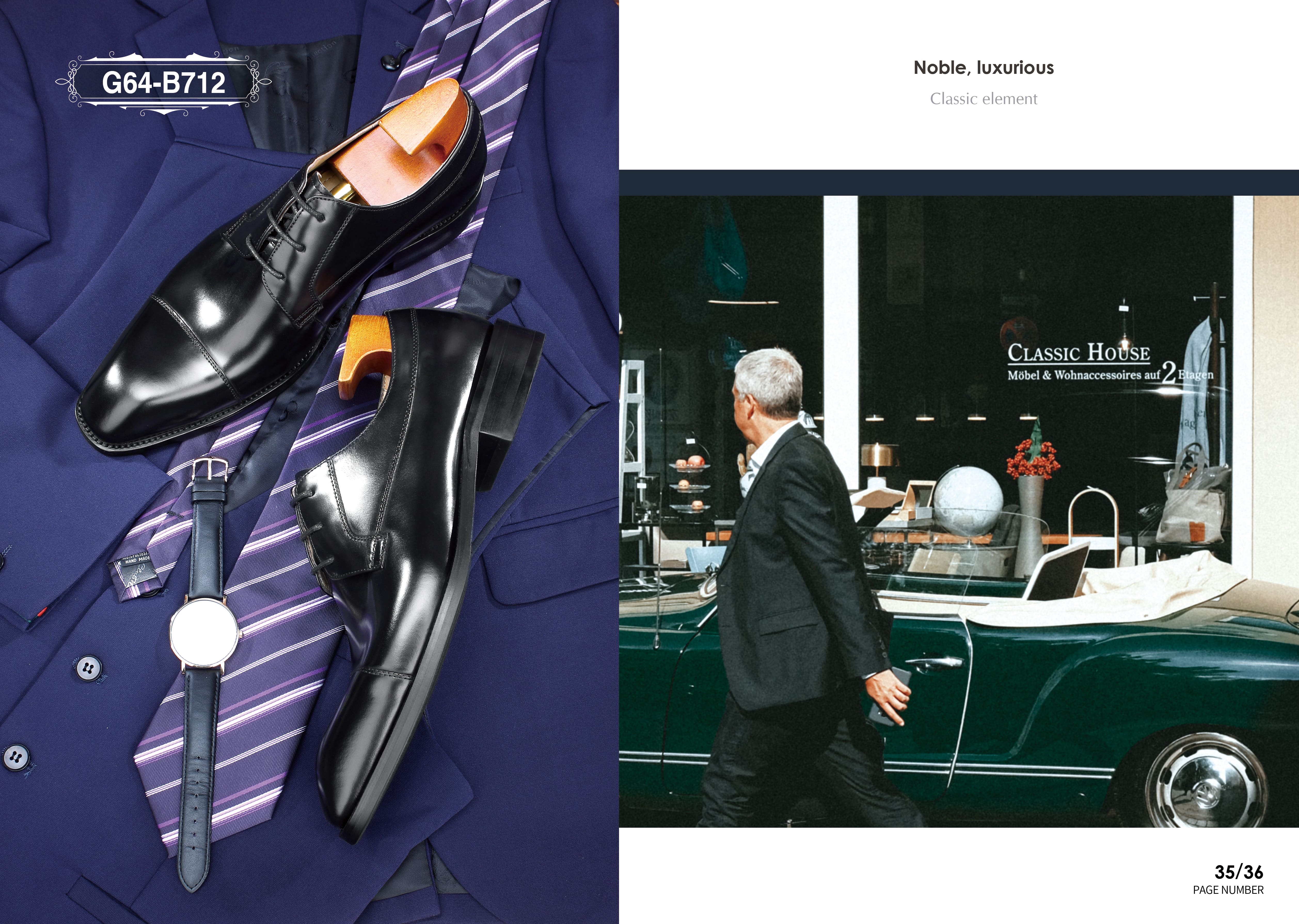
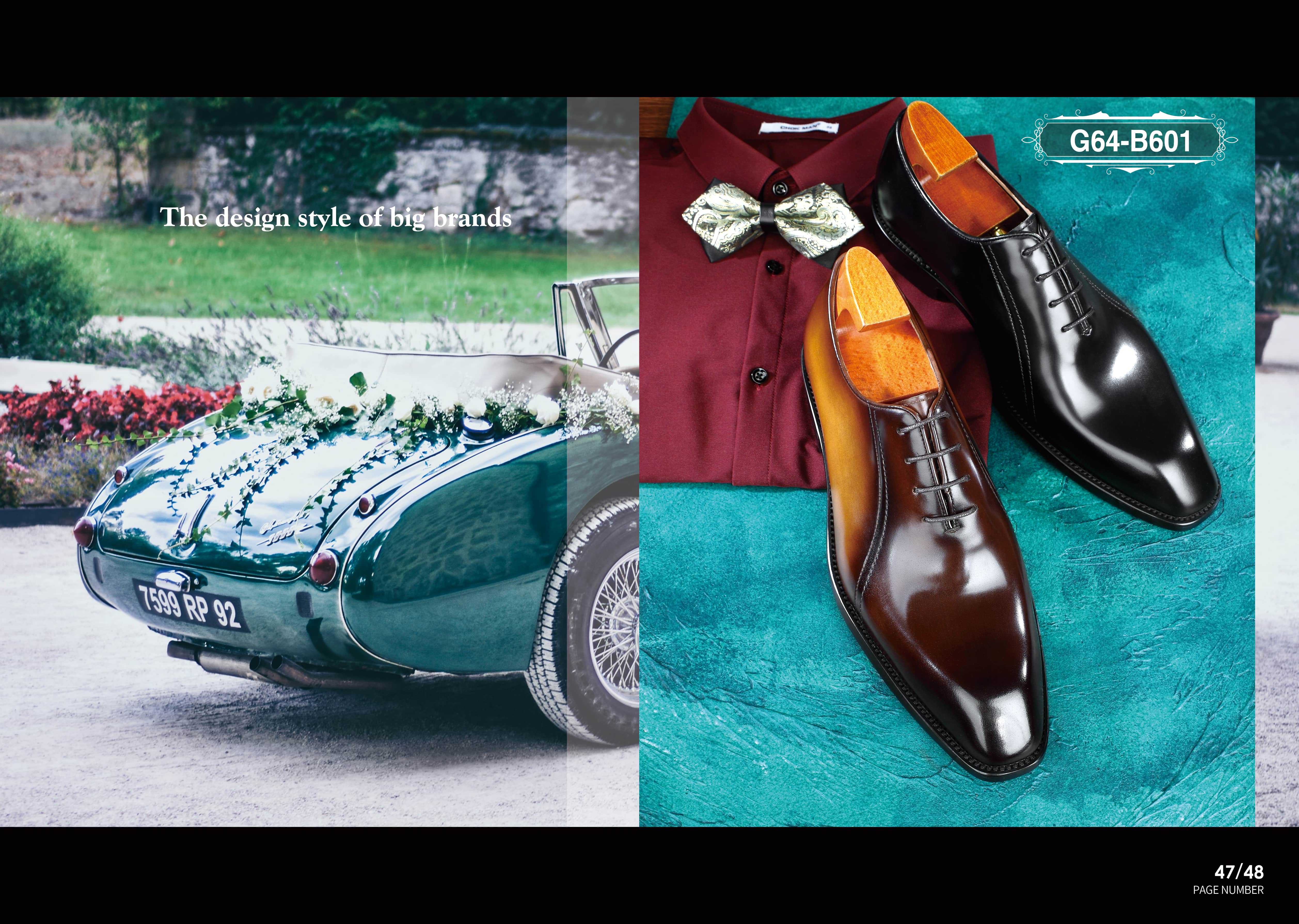
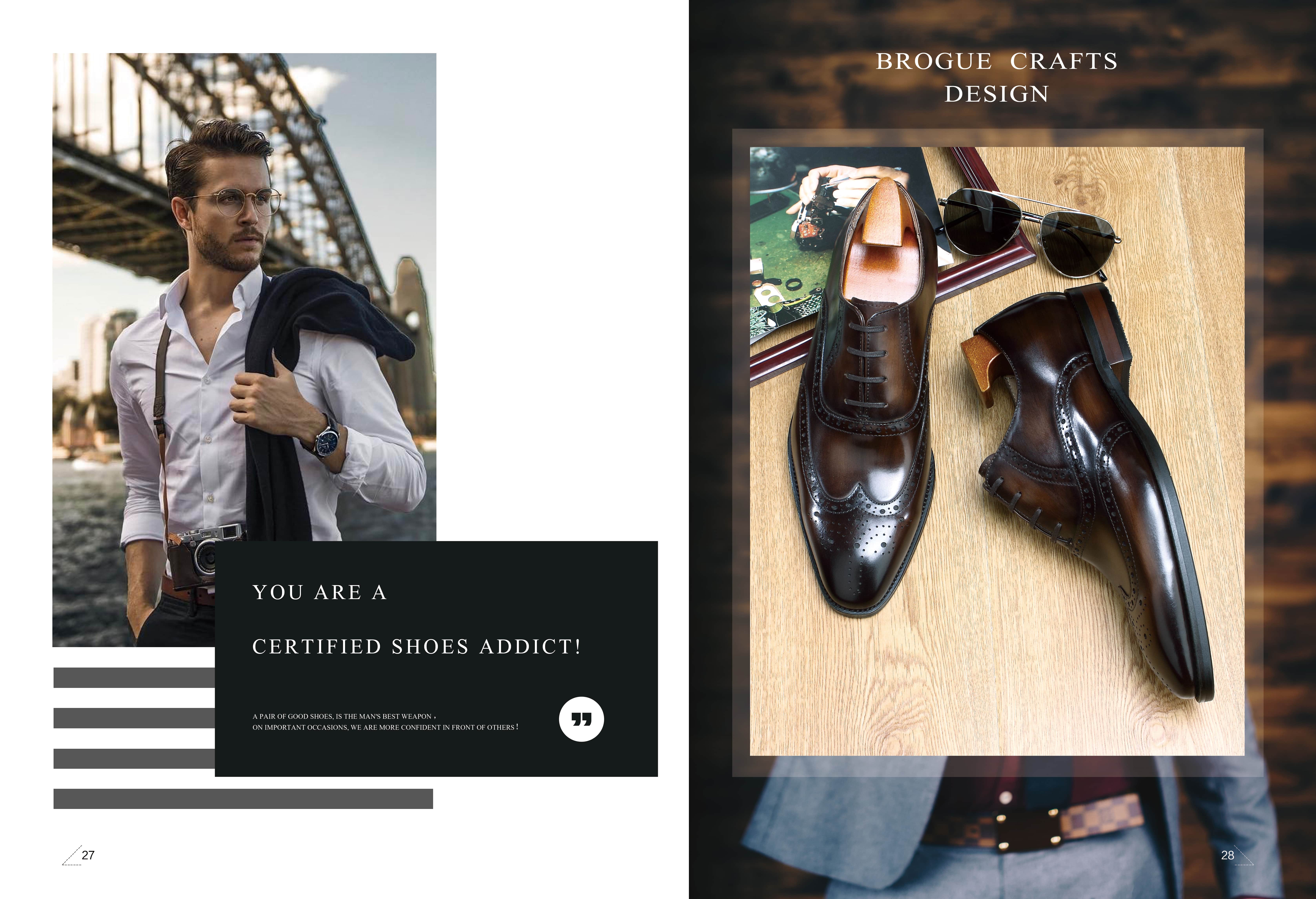
Shoe trees are devices inserted into shoes to help maintain their shape and structure when not in use. Typically made from wood, plastic, or metal, they come in various designs to fit different shoe types, such as dress shoes, boots, or sneakers. The primary purpose of shoe trees is to prevent shoes from losing their form due to moisture, pressure, or storage conditions. By using them regularly, you can extend the life of your footwear and ensure they look and feel great for years to come.
Key Benefits of Using Shoe Trees
One of the most significant shoe tree benefits is the prevention of creases and wrinkles in the shoe's upper material. When shoes are worn, the leather or fabric can develop unsightly folds that not only detract from their appearance but also weaken the material over time. Shoe trees apply gentle pressure to smooth out these areas, keeping shoes looking pristine. Additionally, they help absorb moisture and odors, which is crucial for maintaining hygiene and preventing mold growth. This is especially important for shoes worn in humid climates or during strenuous activities.
Enhancing Comfort and Fit
Beyond aesthetics, shoe trees contribute to better comfort and fit. By preserving the shoe's original shape, they ensure that the interior remains consistent, reducing the risk of discomfort or blisters when you wear them again. For example, if you have leather shoes that tend to stretch with use, shoe trees can help them retain a snug fit, making each wear more enjoyable. This is a practical tip for anyone who values both style and comfort in their footwear collection.
Long-Term Durability and Cost Savings
Investing in shoe trees can lead to substantial cost savings in the long run. High-quality shoes are an investment, and without proper care, they may need replacement sooner than expected. By using shoe trees, you minimize wear and tear, such as heel collapse or sole distortion, which can extend the lifespan of your shoes by years. This not only saves money but also reduces waste, aligning with sustainable fashion practices. Consider it a small upfront cost for long-term benefits.
How to Choose and Use Shoe Trees Effectively
To maximize the shoe tree benefits, it's essential to select the right type for your shoes. For leather dress shoes, cedar wood shoe trees are highly recommended because they naturally absorb moisture and emit a pleasant scent. For sneakers or athletic shoes, adjustable plastic models might be more suitable. Always insert shoe trees immediately after removing your shoes to take advantage of the residual warmth and moisture, which helps the tree mold to the shoe's shape. Store them in a cool, dry place to maintain their effectiveness.
Common Misconceptions and Tips
Some people believe that shoe trees are only for expensive or formal shoes, but they can benefit all types of footwear, including casual and everyday pairs. Another tip is to rotate shoe trees between different shoes if you have a limited supply, as this can still provide some protection. Remember, consistency is key—using shoe trees regularly, even for short periods, yields better results than occasional use.
Frequently Asked Questions
Are shoe trees necessary for all types of shoes?While not mandatory, shoe trees are highly beneficial for most shoes, especially those made from leather or other materials prone to deformation. They help maintain shape and hygiene, making them a worthwhile addition to any shoe care routine.
How often should I use shoe trees?It's best to use shoe trees every time you take off your shoes, especially if they are damp or have been worn for extended periods. For occasional use, inserting them overnight can still provide significant benefits.
Can shoe trees fix already damaged shoes?Shoe trees are primarily preventive, but they can help reduce minor creases and restore some shape to slightly deformed shoes. For severe damage, professional repair might be necessary.
What materials are best for shoe trees?Cedar wood is often preferred for its moisture-absorbing and odor-reducing properties, but plastic and metal options are also effective, depending on the shoe type and personal preference.